




Beginner’s Guide to Annapurna Base Camp Trekking


Why Choose the ABC Trek?
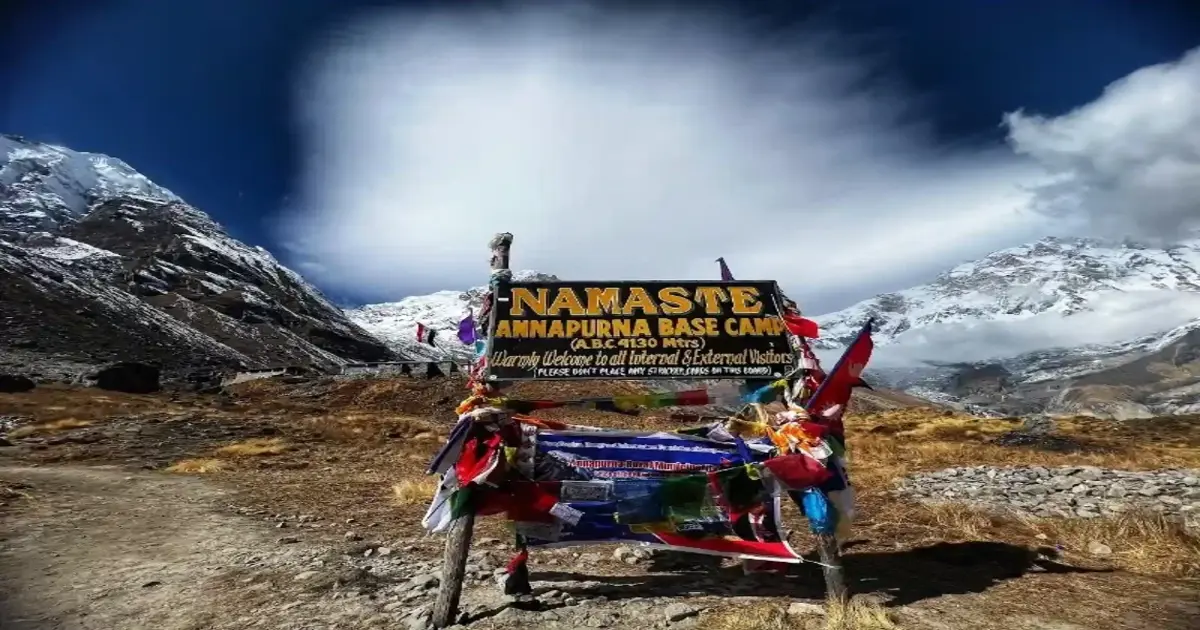
The Annapurna Base Camp Trek is a 7-12 day journey that takes you to 4,130m (13,550ft), where you’re surrounded by an amphitheater of Himalayan giants—Annapurna I (8,091m), Machhapuchhre (6,993m), and Annapurna South (7,219m). Starting from Pokhara, the trail winds through terraced fields, Gurung villages, rhododendron forests, and alpine meadows, offering a diverse tapestry of landscapes. Unlike the busier Everest Base Camp, ABC feels more intimate, with vibrant local culture and cozy tea houses adding warmth to the experience. For a detailed itinerary, check out our Annapurna Base Camp Trek guide.
The trek’s highlight is the sunrise at Annapurna Base Camp, where golden light bathes the snow-capped peaks, creating a moment you’ll carry forever. It’s not just about the destination—the journey through Gurung communities, past prayer flags, and over stone steps is equally enchanting.
Best Time to Trek
Timing your trek is crucial for the best experience. Spring (March–May) dazzles with blooming rhododendrons and mild temperatures, ideal for vibrant trails and clear views. Autumn (September–November) brings crisp air, stable weather, and sharp mountain vistas, perfect for photography. Avoid the monsoon (June–August), when trails turn slippery and muddy, obscuring views. Winter (December–February) is colder, with snow possible above 3,000m, but it’s trekable with extra layers and caution.
Physical Preparation
The ABC Trek is moderately challenging, suitable for beginners with basic fitness. You’ll hike 5-7 hours daily, tackling steep ascents, descents, and stone steps up to 4,130m. No technical skills are required, but stamina and mental grit are key. Start training 6-8 weeks before with:
- Cardio Jogging, cycling, or swimming to boost endurance.
- Strength Squats, lunges, and stair climbing for leg power.
- Practice Hikes Walk 5-10 km with a 5-8 kg backpack to simulate trail conditions.
A positive mindset helps, too—embrace the slower pace and savor the scenery. If you’re new to high-altitude trekking, try low-altitude hikes to build confidence.
Acclimatization and Altitude
Altitude sickness is a concern above 3,000m. To stay safe, follow a gradual itinerary with rest days at Chomrong (2,170m) and Deurali (3,200m). Drink 3-4 liters of water daily, eat high-energy meals like dal bhat, and avoid alcohol. Watch for symptoms like headaches, nausea, or dizziness, and descend if they persist. Diamox (prescribed by a doctor) can aid prevention. Consult a healthcare professional before trekking, especially if you have heart or lung conditions.
What to Pack
Keep your pack under 8 kg for comfort (or hire a porter). Essential items include:
- Footwear Waterproof hiking boots (e.g., Merrell, Salomon) with strong grip.
- Clothing Thermal base layers, fleece jacket, waterproof rain jacket, and a lightweight down jacket.
- Sleeping Bag Rated to -10°C for cold nights at ABC.
- Accessories Trekking poles, sunglasses, sunscreen, and a wide-brimmed hat.
- Health First-aid kit, water purification tablets, and Diamox (if prescribed).
- Extras Snacks (energy bars, nuts), a reusable water bottle, and a headlamp.
Rent gear in Pokhara to save costs. Pack layers to handle temperature swings—mornings are chilly, while afternoons can be warm below 3,000m.
Permits and Logistics
You’ll need two permits: the Annapurna Conservation Area Permit (ACAP) (~$23) and the Trekkers’ Information Management System (TIMS) card (~$15-20), totaling ~$50. Obtain them in Pokhara or Kathmandu via agencies or permit offices. The trek starts with a 1-2 hour drive from Pokhara to Nayapul or Ghandruk ($20-40), followed by a hike to Birethanti or Kimche.
Tea houses offer basic lodging (twin beds, shared bathrooms) and hearty meals (dal bhat, momos, soups; $3-7). Book in advance during peak seasons, especially at Machhapuchhre Base Camp and ABC. Hot showers ($3-5) and WiFi ($1-3) are available but pricier at higher altitudes.
Hiring a Guide or Porter
Since 2023, Nepal mandates licensed guides ($25-35/day) for foreign trekkers, ensuring safety and supporting local economies. Guides navigate trails, share Gurung stories, and manage emergencies. Porters ($15-25/day) carry up to 20 kg, lightening your load and boosting local livelihoods. Both are highly recommended for beginners—guides add insight, while porters make the trek more enjoyable.
Cost Overview
The ABC Trek is budget-friendly for a Himalayan adventure. Expect to spend:
- Budget Trek $800-1,200 (permits, tea houses, meals, guide/porter).
- Luxury Packages $1,200-1,800 (better lodging, guided tours).
- Extras Gear rentals ($50-100), tips ($30-70), transport from Pokhara ($20-40).
Solo trekkers (with a guide) can manage for $600-900 by skipping luxuries. Budget for snacks and drinks, as prices rise at higher altitudes (e.g., $3-5 for tea at ABC).
Cultural Etiquette
Respect Gurung and Magar cultures by greeting locals with “Namaste” and dressing modestly (avoid revealing clothes). Ask permission before photographing people, and dine at your tea house to support hosts. Protect the environment—carry out trash and avoid single-use plastics. Machhapuchhre is sacred, so approach the mountains with reverence.
Final Thoughts
The Annapurna Base Camp Trek is a perfect blend of challenge, beauty, and culture, making it an ideal choice for beginners. Its diverse trails, warm hospitality, and awe-inspiring views create memories that last a lifetime. Prepare well, respect the mountains, and let the Himalayas inspire you.
Ready to plan your ABC adventure? Visit our Annapurna Base Camp Trek page for detailed itineraries or contact us for personalized advice and booking. The Annapurna region awaits—take the first step today!