


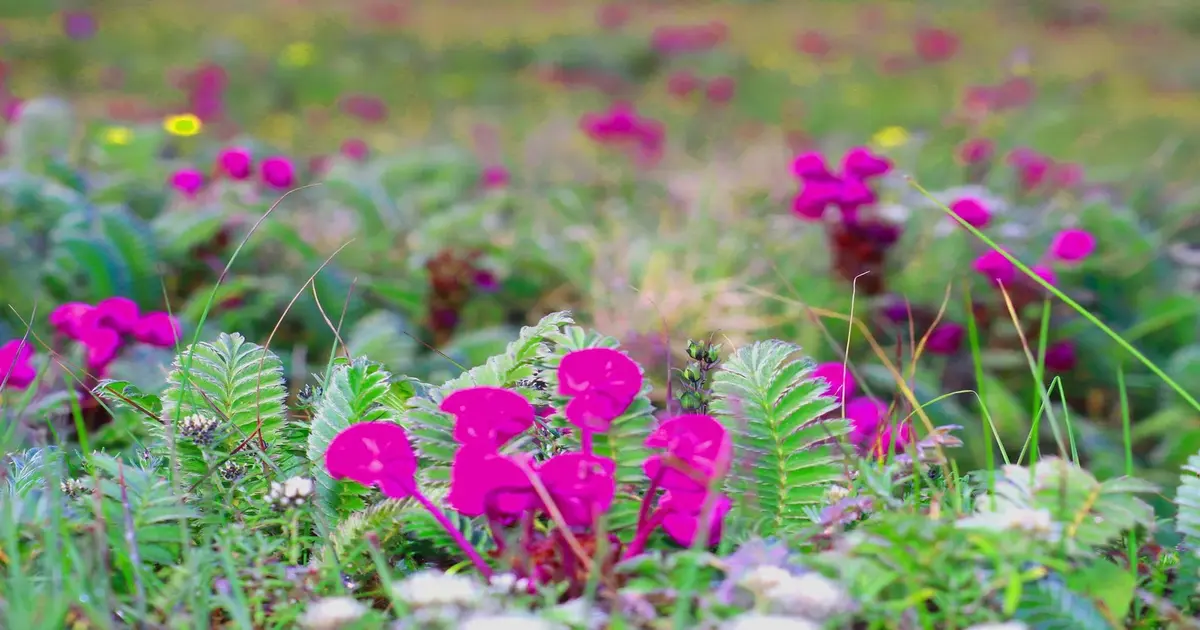
Seasons in Nepal: Best Times to Visit for Travel and Trekking
Nepal is a country of diverse landscapes and seasons, making it a year-round destination for different types of travelers.
-
 Best: Oct–Nov & Mar–May
-
 Monsoon: Jun–Sep
-
 12-month guide
At a glance
-
Best overall
October–November, then March–May: clear, stable weather on most routes.
-
Monsoon
Mid-June to late September. Rain-shadow treks such as Upper Mustang stay drier.
-
Winter
Dry, clear and cold. Good for lower treks, Chitwan and the cities.
-
Festivals
Dashain and Tihar, the biggest festivals, usually fall between late September and November.
Nepal’s four seasons
Nepal is a country of diverse landscapes and seasons, making it a year-round destination for different types of travelers. However, the best time to visit largely depends on the activities you wish to pursue. Here’s a breakdown of Nepal’s seasonal highlights.
Nepal has four seasons: spring (March–May), summer or monsoon (June–August), autumn (September–November) and winter (December–February). Because the land rises from under 100 m in the Terai to 8,849 m at Everest, the same month can feel very different from one region to the next.
-
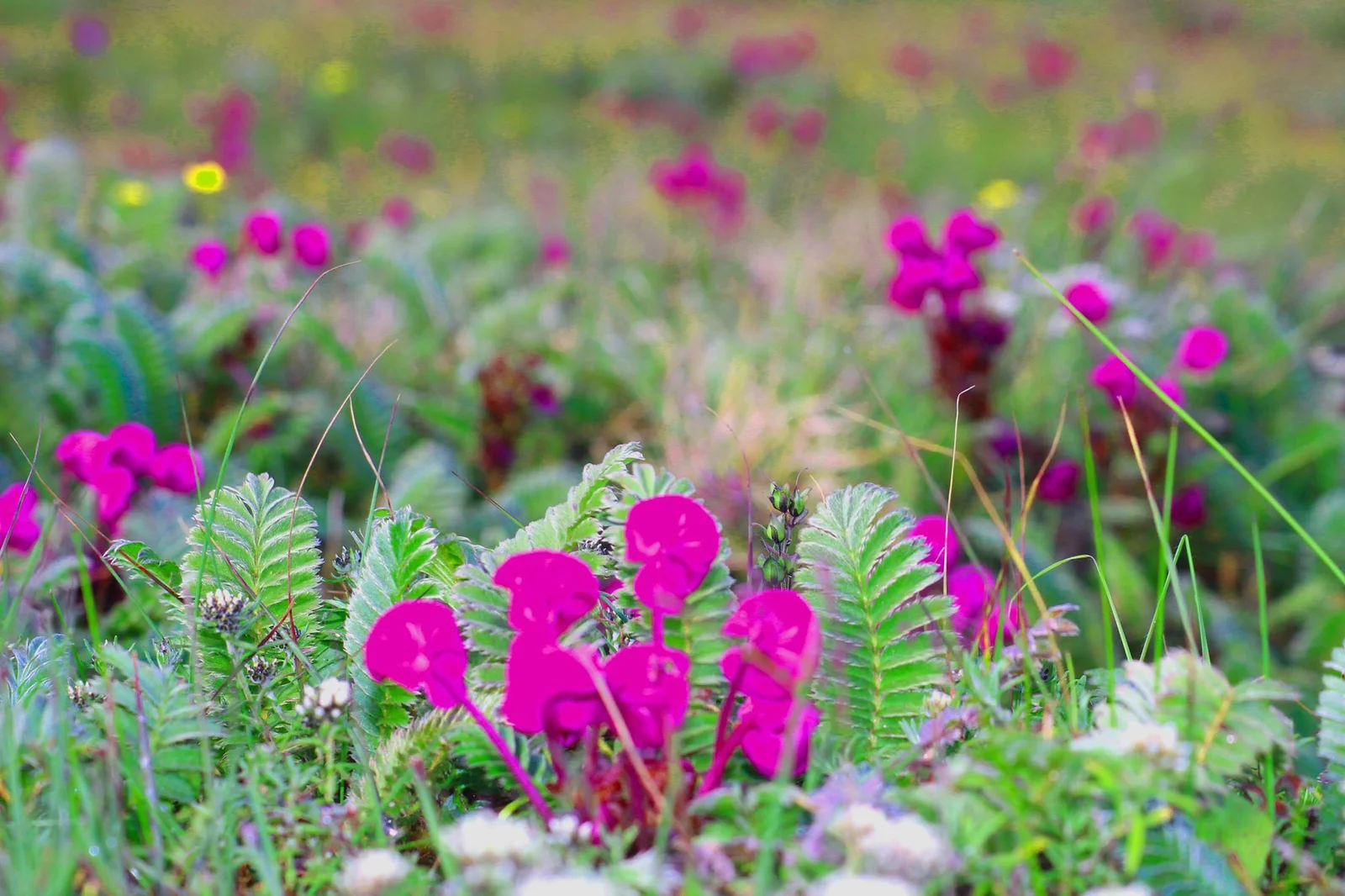
SpringMarch–May
BestWarm days, rhododendrons in bloom and the second busiest trekking season. Haze and showers build towards May.
- Kathmandu high / low
- 26–29 °C / 9–16 °C
- Rain
- 38–129 mm a month
-
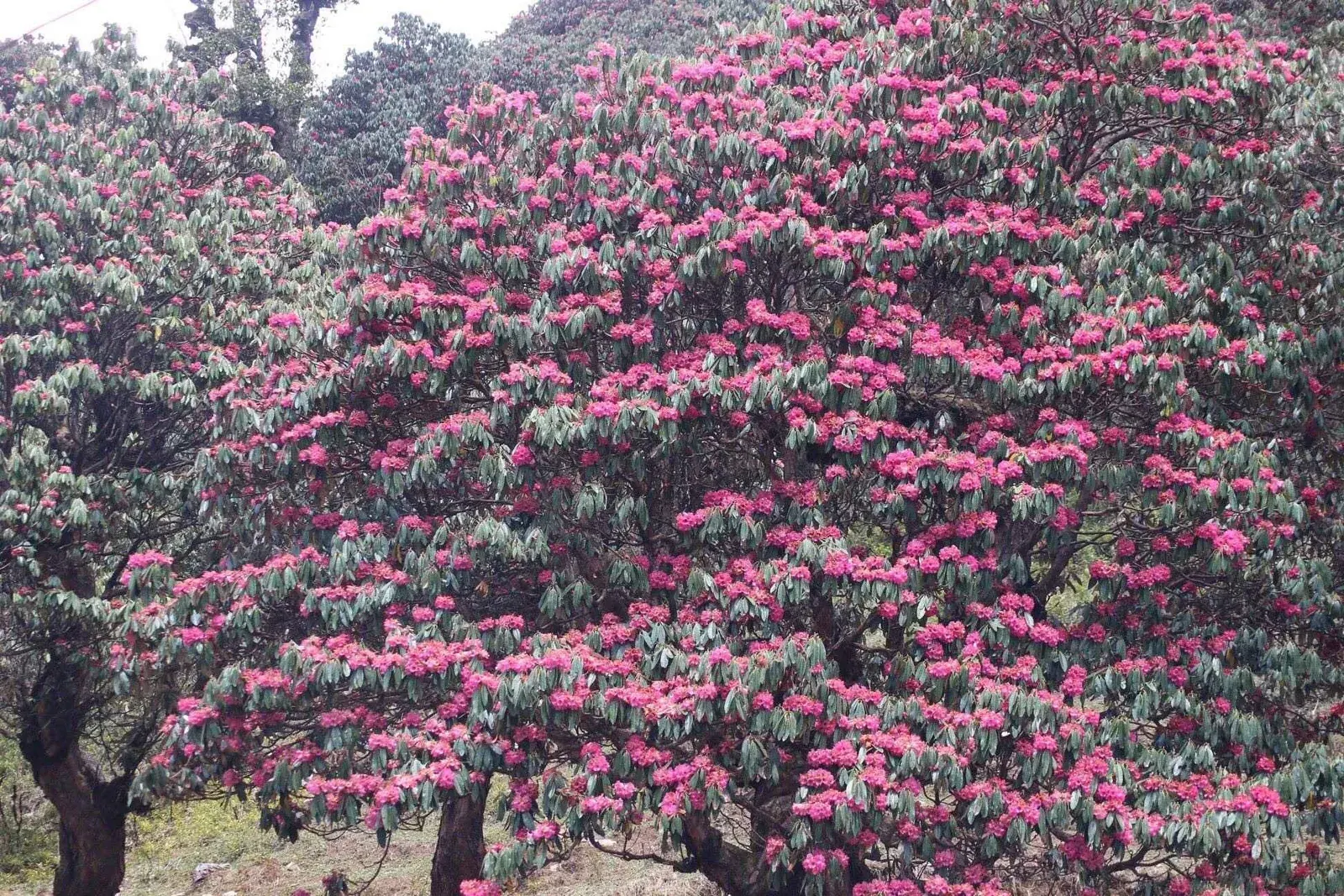
Summer / monsoonJune–August
WetMost of the year’s rain falls now. Green hills, cloud over the peaks, leeches and landslides; rain-shadow areas stay drier.
- Kathmandu high / low
- 29–30 °C / 19–20 °C
- Rain
- 241–384 mm a month
-
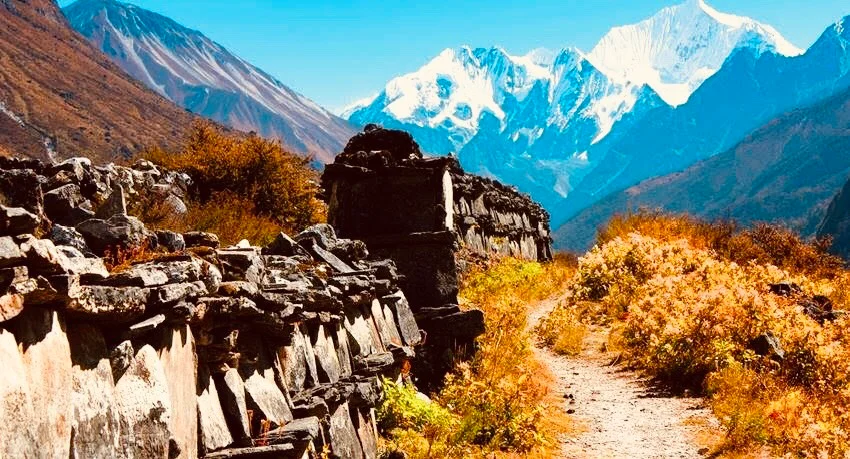
AutumnSeptember–November
BestRain eases through September; October and November bring the clearest skies, the busiest trails and the Dashain and Tihar festivals.
- Kathmandu high / low
- 24–29 °C / 8–19 °C
- Rain
- 208 mm in Sep to 6 mm in Nov
-
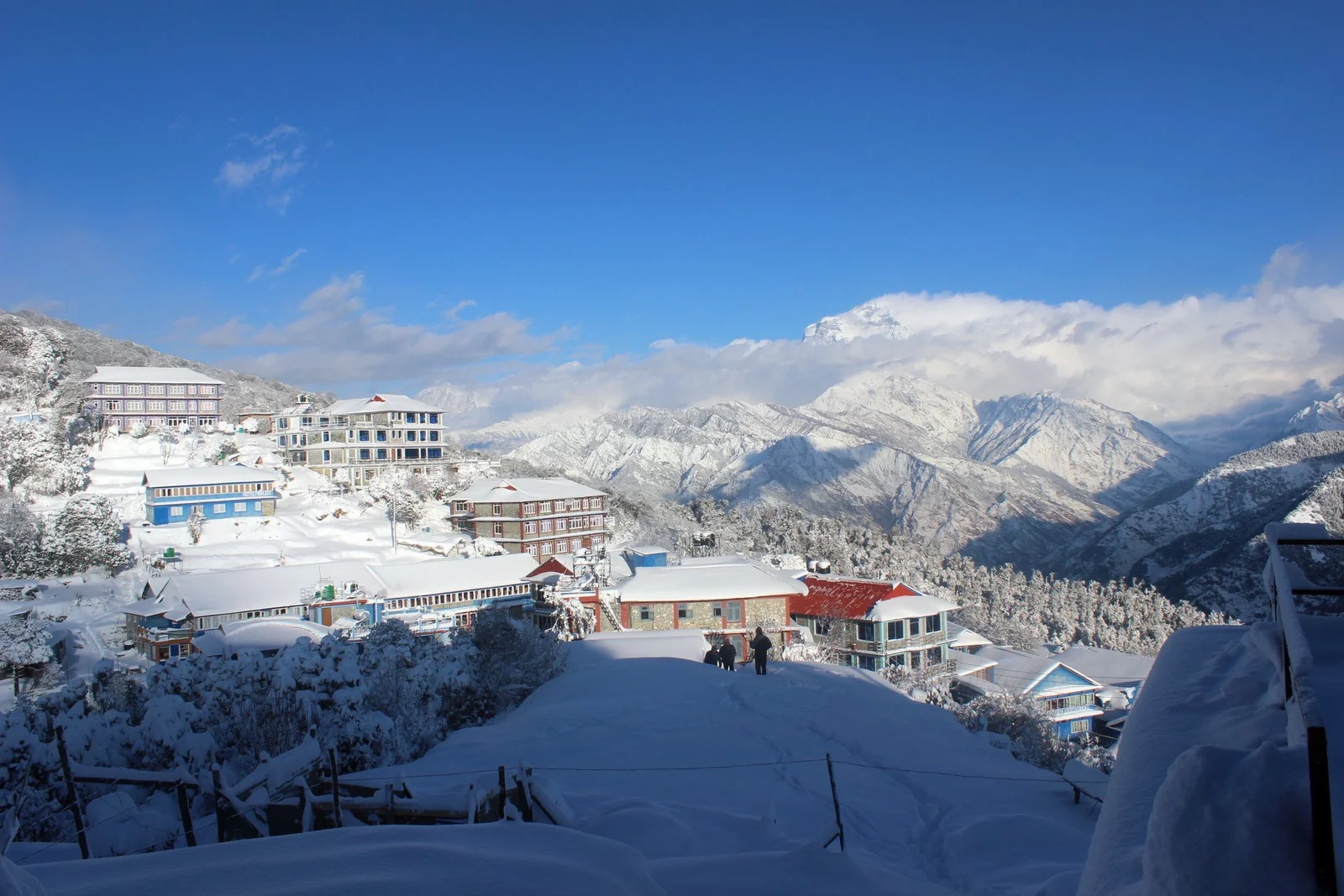
WinterDecember–February
GoodDry, clear and cold. Lower treks, Chitwan and the cities are pleasant; high passes can be snowbound.
- Kathmandu high / low
- 19–22 °C / 3–5 °C
- Rain
- 8–24 mm a month
Month by month
Average daily high / low (°C) and monthly rainfall, 1991–2020 · Ratings are a general guide for trekking and touring; individual routes vary.
-
January
Good- Kathmandu
- 19 / 3 °C15 mm
- Pokhara
- 20 / 7 °C22 mm
Coldest month. Clear, dry days; nights near freezing in Kathmandu and far below at altitude. Good for lower treks, Chitwan and sightseeing.
-
February
Good- Kathmandu
- 22 / 5 °C24 mm
- Pokhara
- 23 / 10 °C35 mm
Still cold at altitude but the days lengthen. Lhosar and Maha Shivaratri often fall around now.
-
March
Best- Kathmandu
- 26 / 9 °C38 mm
- Pokhara
- 27 / 13 °C64 mm
Spring trekking begins and rhododendrons start to bloom. Holi falls in February or March.
-
April
Best- Kathmandu
- 29 / 12 °C63 mm
- Pokhara
- 30 / 16 °C142 mm
Warm days and rhododendrons in full bloom. Nepali New Year in mid-April. Haze can hide distant peaks.
-
May
Good- Kathmandu
- 29 / 16 °C129 mm
- Pokhara
- 30 / 19 °C355 mm
Hot in the Terai and showers build. Everest expedition season; Buddha Jayanti falls in April or May.
-
June
Fair- Kathmandu
- 30 / 19 °C241 mm
- Pokhara
- 31 / 21 °C648 mm
The monsoon normally arrives around 13 June. Trails turn muddy; rain-shadow treks such as Upper Mustang are a good choice.
-
July
Wet- Kathmandu
- 29 / 20 °C384 mm
- Pokhara
- 30 / 22 °C941 mm
The wettest month in Kathmandu and Pokhara. Expect landslides, leeches and cloud; keep plans flexible.
-
August
Wet- Kathmandu
- 29 / 20 °C343 mm
- Pokhara
- 31 / 22 °C839 mm
Heavy rain continues and the hills are at their greenest. Gai Jatra in the Kathmandu Valley; Teej in August or September.
-
September
Good- Kathmandu
- 29 / 19 °C208 mm
- Pokhara
- 30 / 21 °C635 mm
Rain eases, usually by late September: a quieter shoulder season with lush scenery. Indra Jatra in Kathmandu.
-
October
Best- Kathmandu
- 27 / 14 °C43 mm
- Pokhara
- 28 / 17 °C159 mm
The most popular month: clear skies and stable weather. Dashain usually falls in late September or October. Book flights and lodges early.
-
November
Best- Kathmandu
- 24 / 8 °C6 mm
- Pokhara
- 24 / 12 °C17 mm
The driest autumn month, with crisp views and colder nights at altitude. Tihar falls in October or November.
-
December
Good- Kathmandu
- 20 / 4 °C8 mm
- Pokhara
- 21 / 8 °C12 mm
Winter begins: clear, dry and cold, with fewer trekkers. Tamu Lhosar at the end of the month.
Temperatures by altitude
Temperature drops quickly with height. The table shows average daily highs and lows (°C) for January, April, July and October, and average July rainfall, at weather stations from the Terai to the Everest region.
| Place | Elevation | Jan | Apr | Jul | Oct | July rain |
|---|---|---|---|---|---|---|
| Bharatpur (Chitwan, Terai) | 189 m | 22 / 8 °C | 35 / 18 °C | 34 / 25 °C | 32 / 20 °C | 573 mm |
| Pokhara | 827 m | 20 / 7 °C | 30 / 16 °C | 30 / 22 °C | 28 / 17 °C | 941 mm |
| Kathmandu | 1,337 m | 19 / 3 °C | 29 / 12 °C | 29 / 20 °C | 27 / 14 °C | 384 mm |
| Jomsom (Mustang, rain shadow) | 2,741 m | 10 / −2 °C | 19 / 4 °C | 23 / 14 °C | 18 / 6 °C | 47 mm |
| Lukla (Everest region) | 2,786 m | 8 / −3 °C | 17 / 6 °C | 18 / 13 °C | 17 / 7 °C | 530 mm |
| Namche Bazaar (Everest region) | 3,450 m | 7 / −9 °C | 13 / 1 °C | 16 / 8 °C | 13 / 1 °C | 226 mm |
Near Everest Base Camp, the Pyramid research station at 5,050 m records a mean annual temperature of about −2.5 °C, with January–February temperatures below −15 °C. Figures are rounded averages; real weather varies from year to year.
Spring (March–May)
Spring (March–May) is Nepal’s second trekking season and, for many travelers, the most colourful. Winter’s cold eases, the days grow longer and warmer, deciduous trees come into leaf, and many species of rhododendron, Nepal’s national flower, add colour to the trekking routes.
Early in the season the views are clear and the air is dry yet pleasant. By May, heat, haze and afternoon showers build ahead of the monsoon.
- TemperatureKathmandu 26–29 °C by day, 9–16 °C at night
- Rain38–129 mm a month in Kathmandu, rising in May
- Mountain viewsClear in March; haze is more common in April and May
- CrowdsBusy, second only to autumn
Highlights
- Rhododendron forests in bloom, mainly in March and April at mid elevations.
- Long, warm days and melting snow make high routes and passes more comfortable.
- Everest expedition season: base camp is busy with climbing teams in April and May.
Watch out for
- Smoke from forest fires and dust can leave a haze that hides the mountains, especially in April.
- The Terai gets very hot: Chitwan averages 35–36 °C by day in April and May.
- Afternoon cloud and showers increase through May.
Good treks and tours this season
- Everest Base Camp Trek
- Annapurna Base Camp Trek
- Ghorepani Poon Hill Trek
- Langtang Valley Trek
- Mardi Himal Trek
- Manaslu Circuit Trek
- Annapurna Circuit Trek
What to pack
- Layers for cold mornings and warm afternoons
- A warm jacket and sleeping-bag liner for nights at altitude
- Sun hat, sunglasses and high-SPF sunscreen
- A light rain jacket for May showers
- A buff or mask for dusty, hazy days
Festivals
Summer and monsoon (June–August)
Summer (June–August) is the monsoon season. The monsoon normally reaches Nepal around 13 June and withdraws around 2 October, so the rains usually continue through September; in recent years it has often withdrawn later, in mid-October. Of Kathmandu’s average 1,500 mm of rain a year, about 1,180 mm falls between June and September.
The Terai is hot and humid, while the hills and mountains stay milder. Floods and landslides can block roads and trails, and cloud hides the mountains much of the time, so most high treks on the south side of the Himalaya are best left for autumn or spring.
- TemperatureKathmandu 29–30 °C by day, 19–20 °C at night
- RainKathmandu 241–384 mm a month; Pokhara 941 mm in July
- Mountain viewsPeaks often hidden by cloud
- CrowdsQuiet on most trails
Highlights
- Lush green hills, rice terraces and full rivers.
- Few trekkers, so lodges and viewpoints are quiet.
- Rain-shadow areas such as Upper Mustang stay fairly dry: Jomsom averages 47 mm of rain in July.
Watch out for
- Leeches on forested trails at lower elevations.
- Landslides and floods can close roads and delay trips; keep spare days.
- Lukla and other mountain flights are often grounded when visibility is poor.
Good treks and tours this season
What to pack
- Waterproof jacket, pack cover and dry bags
- Quick-dry clothing and spare socks
- Leech socks or gaiters, and insect repellent
- Sandals, plus trekking shoes with good grip
- A waterproof pouch for your phone and documents
Festivals
Autumn (September–November)
Autumn (September–November) is the peak season and the most popular time for tourism in Nepal. The weather is warm but not too hot, and the skies are generally clear, offering stunning views of the Himalayas.
The monsoon rains typically taper off by late September, marking the start of the trekking season. Although some rain may linger, late September is a quieter alternative to October and November. Dashain and Tihar, Nepal’s major festivals, often fall in these months, giving visitors a chance to experience the country’s rich traditions.
- TemperatureKathmandu 24–29 °C by day, 8–19 °C at night
- RainFrom 208 mm in September to 6 mm in November (Kathmandu)
- Mountain viewsClearest of the year in October and November
- CrowdsPeak season: the busiest trails and lodges
Highlights
- Stable, dry weather and the best mountain views of the year.
- Comfortable temperatures from the Terai to the hills; trekking, climbing and cultural tours are all in full swing.
- Festival season: Indra Jatra, Dashain, Tihar and Mani Rimdu.
Watch out for
- Lodges, Lukla flights and guides book up; reserve early.
- Around Dashain about a million people leave the Kathmandu Valley; buses and domestic flights fill up and many offices close.
- In busy seasons many Lukla flights leave from Manthali (Ramechhap), about a five-hour drive from Kathmandu; check your departure airport.
- Nights are below freezing at altitude, and rare autumn storms can bring heavy snow to high routes.
Good treks and tours this season
- Everest Base Camp Trek
- Annapurna Base Camp Trek
- Annapurna Circuit Trek
- Manaslu Circuit Trek
- Langtang Valley Trek
- Mardi Himal Trek
- Ghorepani Poon Hill Trek
- Kathmandu City Tour
- Chitwan National Park
- Paragliding in Pokhara
What to pack
- A down jacket, warm hat and gloves for cold nights at altitude
- Light layers for warm days in the valleys
- Sunscreen and sunglasses for strong high-altitude sun
- A light rain jacket in September
- A headlamp for early starts and short evenings
Festivals
Winter (December–February)
Winter (December–February) is dry, clear and cold. There is little danger from floods or landslides, the sky is blue and the mountain views are clear; Kathmandu gets only about 8–24 mm of rain a month.
The freezing cold in the mountains is the main challenge: high passes can be blocked by thick snow and lakes such as Tilicho freeze. Lower treks, the cities and the Terai, on the other hand, are pleasant, and the trails are quiet.
- TemperatureKathmandu 19–22 °C by day, 3–5 °C at night; Namche about −9 °C on January nights
- Rain8–24 mm a month in Kathmandu
- Mountain viewsClear, dry air and sharp views
- CrowdsQuiet on most routes
Highlights
- Clear blue skies and sharp mountain views.
- Fewer trekkers on the trails and in the lodges.
- Pleasant days in Chitwan (about 22 °C in January) and in Kathmandu and Pokhara.
Watch out for
- Very cold nights at altitude: Lukla averages about −3 °C and Namche about −9 °C on January nights, and near Everest Base Camp it falls below −15 °C.
- Thorong La and other high passes are often blocked by snow and may close for days.
- Short days leave less time for walking.
Good treks and tours this season
- Ghorepani Poon Hill Trek
- Kathmandu City Tour
- Pokhara City Tour
- Chitwan National Park
- Jungle Safari in Chitwan
- Kathmandu Chitwan Pokhara Tour
What to pack
- A down jacket, thermal base layers, warm hat and gloves
- A sleeping bag rated well below freezing for high treks
- Lip balm and moisturiser for the dry air
- Microspikes if your route may have snow or ice
Festivals
Rain-shadow treks for the monsoon
North of the Annapurna and Dhaulagiri ranges, the high valleys sit in a rain shadow: the mountains catch most of the monsoon cloud, so these areas stay much drier.
- Upper Mustang
- A dry, high landscape in the rain shadow of the Annapurna and Dhaulagiri ranges, with the walled town of Lo Manthang. A good choice from June to August.
- Upper Dolpo
- A remote trans-Himalayan region north of the Dhaulagiri range, around Shey Phoksundo. Long and demanding; summer is the usual window, as the passes are snowbound in winter.
- Nar Phu
- Side valleys of Manang, north of the Annapurna range, with old Tibetan-style villages; a quieter extension of the Annapurna Circuit.
- Northern Annapurna Circuit
- The Manang, Muktinath and Jomsom side of the circuit lies in the rain shadow and gets far less monsoon rain, though the approach valleys in the south are wet.
Upper Mustang, Upper Dolpo and Nar Phu are restricted areas: a special trekking permit from the Department of Immigration is needed, arranged through a registered agency with a licensed guide. Even in the rain shadow, approach roads and flights can be disrupted by landslides and weather.
Regional differences
The same season feels very different in each part of the country.
- Terai (southern lowlands)
- Hot and humid. Chitwan averages 35–36 °C by day in April and May and stays warm and sticky through the monsoon. Winter days are mild (about 22 °C in January); October to March is the most comfortable time for a jungle safari.
- Hills (Kathmandu, Pokhara)
- Mild for most of the year. Kathmandu ranges from about 19 °C by day in January to 29–30 °C in summer, with winter nights around 3 °C. Pokhara, at the foot of the Annapurnas, is much wetter: about 3,870 mm of rain a year against about 1,500 mm in Kathmandu.
- Mountains
- Cold nights for most of the year. On January nights Lukla (about 2,800 m) averages about −3 °C and Namche Bazaar (3,450 m) about −9 °C; near Everest Base Camp the mean annual temperature is about −2.5 °C.
- Trans-Himalaya (Mustang, Dolpo, Manang)
- Dry, windy rain-shadow valleys: Jomsom averages only 47 mm of rain in July.
Festivals by season
Most Nepali festivals follow lunar calendars, so their dates move by up to a few weeks each year. The months below are typical; dates for 2026–27 are from the Government of Nepal’s public holiday list. Sherpa and Tibetan festivals such as Mani Rimdu are set by the monasteries.
Spring · March–May
-
Feb–Mar
Holi (Fagu Purnima)
The festival of colours on the full moon; the hills celebrate a day before the Terai.
2027: 21 March (hills), 22 March (Terai)
-
mid-Apr
Nepali New Year and Bisket Jatra
New Year of the Bikram Sambat calendar, with the Bisket Jatra chariot festival in Bhaktapur and Thimi.
2026: 14 April
-
Apr–May
Buddha Jayanti
The Buddha’s birthday on the full moon, celebrated at Lumbini, his birthplace, and at Swayambhunath and Boudhanath in Kathmandu.
2026: 1 May
Summer / monsoon · June–August
-
Aug–Sep
Gai Jatra
Processions in the Kathmandu Valley in memory of family members who died during the year.
2026: 29 August
-
Aug–Sep
Teej
Women’s festival of fasting, songs and dance, with crowds of women in red at Pashupatinath.
2026: 14 September
Autumn · September–November
-
Sep
Indra Jatra
Eight days of masked dances and the chariot procession of the Kumari, the living goddess, around Kathmandu Durbar Square.
2026: 25 September
-
Sep–Oct
Dashain
Nepal’s biggest festival, about two weeks long, ending with Vijaya Dashami, when elders give tika and blessings. Many offices and shops close.
2026: Ghatasthapana 11 October, Vijaya Dashami 21 October
-
Oct–Nov
Tihar (Deepawali)
Five-day festival of lights honouring crows, dogs and cows and Laxmi, the goddess of wealth, ending with Bhai Tika.
2026: Laxmi Puja 8 November, Bhai Tika 10 November
-
Oct–Nov
Chhath
Offerings to the sun at rivers and ponds, mainly in the Terai; Rani Pokhari in Kathmandu is a major venue.
2026: 15 November
-
Oct–Nov
Mani Rimdu
Masked dances and blessings at Tengboche Monastery on the Everest Base Camp trail. The monastery sets the dates by the Tibetan lunar calendar.
Winter · December–February
-
Dec–Mar
Lhosar
New Year festivals of the Himalayan communities: Tamu Lhosar (Gurung), Sonam Lhosar (Tamang and others) and Gyalpo Lhosar (Sherpa and Tibetan).
2026–27: 30 December, 7 February, 9 March
-
Feb–Mar
Maha Shivaratri
The night of Shiva: thousands of pilgrims and sadhus gather at Pashupatinath in Kathmandu.
2027: 6 March
Best time for…
-
Everest Base CampOct–Nov, Mar–May
Allow spare days for Lukla flights.
Everest Base Camp Trek -
Annapurna Base Camp and Poon HillMar–Apr, Oct–Nov
Rhododendrons in spring; Poon Hill is also fine in winter.
Annapurna Base Camp Trek -
Annapurna Circuit (Thorong La)Oct–Nov, Apr–May
The pass is often snowbound from December to March.
Annapurna Circuit Trek -
Upper Mustang and Upper DolpoJun–Aug, plus spring and autumn
Rain-shadow areas; restricted-area permit needed.
Upper Mustang Trek -
Chitwan jungle safariOct–Mar
April–May is very hot; the monsoon is humid.
Chitwan National Park -
Kathmandu and Pokhara sightseeingOct–Apr
Possible all year; carry an umbrella in the monsoon.
Kathmandu City Tour -
Clearest mountain viewsOct–Nov, Dec–Feb
The driest months; Kathmandu gets about 6 mm of rain in November.
-
FestivalsSep–Nov
Indra Jatra, Dashain and Tihar.
-
Fewer crowdsDec–Feb, Jun–Aug
Choose lower treks in winter and rain-shadow treks in summer.
Frequently asked questions
What is the best month to visit Nepal?
October and November are the most reliable months: the monsoon has ended, the air is clear and the weather is stable, so most treks and tours are at their best. March and April are the next best, with warm days and rhododendrons in bloom.
Can I trek during the monsoon?
Yes, but choose the route carefully. Areas in the rain shadow north of the Annapurna and Dhaulagiri ranges, such as Upper Mustang, Upper Dolpo and Nar Phu, stay much drier. On most other routes expect daily rain, muddy trails, leeches, cloud over the peaks and possible landslides, and keep spare days.
Is winter too cold for trekking?
Not for lower treks such as Ghorepani Poon Hill, where days are often clear and mild. Higher up it is very cold: Namche Bazaar averages about −9 °C on January nights, and high passes such as Thorong La are often blocked by snow. Bring proper winter gear and keep your plans flexible.
When are Dashain and Tihar?
They follow the lunar calendar, so the dates change every year. Dashain usually falls in late September or October and Tihar in October or November. In 2026, Ghatasthapana is on 11 October, Vijaya Dashami on 21 October, Laxmi Puja on 8 November and Bhai Tika on 10 November.
Are Lukla flights often delayed?
They can be in any season, because the flights need good visibility. Delays and cancellations are most common in the monsoon and on cloudy or foggy days. Build at least one or two spare days into an Everest trip, and check whether your flight leaves from Kathmandu or from Manthali (Ramechhap).
How hot does Chitwan get?
Very hot before the monsoon: average highs at Bharatpur are about 35 °C in April and 36 °C in May. October to March is far more comfortable, with January averaging about 22 °C by day.
When is Nepal least crowded?
Winter (December–February) and the monsoon (June–August) are the quietest seasons. In winter choose lower routes; in summer choose rain-shadow treks or cultural tours.
When do the rhododendrons bloom?
Mainly in March and April. Lower slopes flower first and higher forests later, so the bloom moves uphill through the spring. Ghorepani Poon Hill and Langtang are popular rhododendron treks.
Not sure which month suits your trip?
Tell us your dates and interests, and we will suggest routes that fit the season.