


Treks
Everest Base Camp Trek
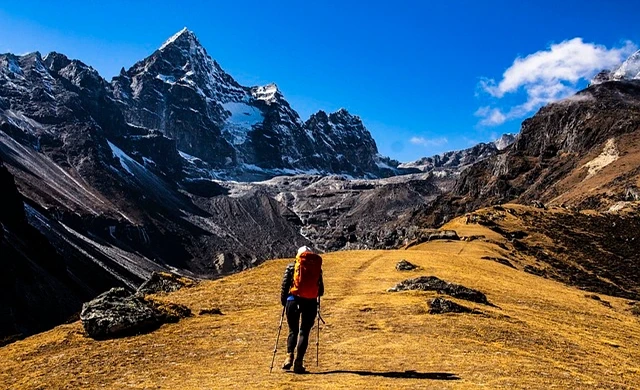
Embark on the ultimate Everest Base Camp adventure! Trek through breathtaking landscapes, vibrant Sherpa villages, and legendary high-altitude trails. Cross suspension bridges, witness towering Himalayan peaks, and stand in the shadow of Mt. Everest (8,848m).
1/5
 Book
Everest Base Camp Trek
Authentic Nepal Tours & Treks – Best Prices, True Local Experience
When you choose to explore Nepal with us, you are not just booking a trip. You are experiencing the country through the eyes of true locals. As a Nepal-based travel company, we specialize in authentic trekking and tours, so you get the real essence of Nepal without unnecessary markups.
Why choose us
- Local expertise. We are born and raised in Nepal, so you get firsthand knowledge that an overseas agency cannot match.
- Best value guaranteed. Booking directly with a local provider avoids the high margins of heavily marketed companies.
- Personal service. Trips are shaped to your interests, pace, and budget.
- Responsible tourism. We work with local communities, so the trip benefits the people and places you visit.
Better price, better experience
Buying directly from the source is like a farmer’s market instead of an expensive supermarket. Many agencies fold large overheads into the price. With us, you pay for the experience, not the extras, so more of the budget can go to the stay, the meals, and the days on the trail.
Our price guarantee
If you find a similar tour at a lower price within 48 hours of booking, tell us and we will match or beat that price.
Book your Nepal adventure
Walk with guides who know the culture, the landscape, and the traditions. Trekking, the old cities, or a quieter journey: the trip should be memorable and fairly priced.
About this Treks
Itinerary
- Day1
Travel to Kathmandu and Get Ready for Adventure
Arrive in the vibrant city of Kathmandu, settle into your accommodation, and prepare for the journey ahead. OvernightKathmandu
 Altitude1355m
 MealsDinner
 StayHotel
 RouteKathmandu
- Day2
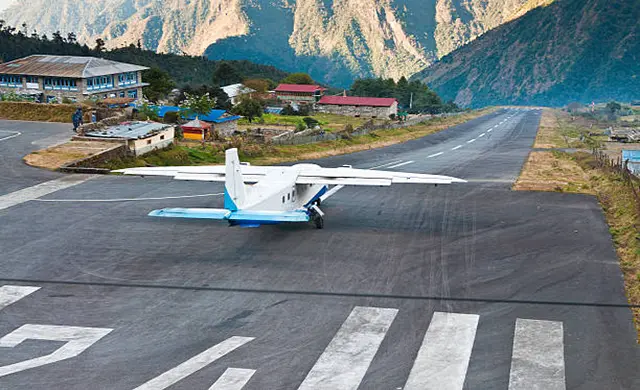
Flying to Lukla and Hiking to Phakding
Take a scenic flight to Lukla and start your trek towards Phakding through stunning landscapes.- OvernightPhakding
- Altitude 2860m
 Walk4 to 5 hrs.
 Ride30 min.
 FlyFly 25-30 min.
- MealsBreakfast, Lunch, Dinner
- Stay Basic Tea House
- RouteKathmandu to Lukla to Phakding
- Day3
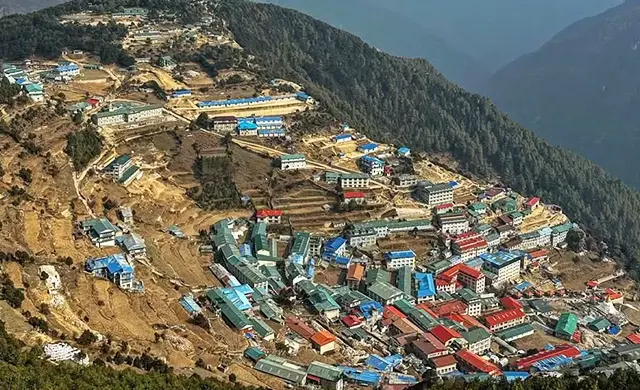
Namche Bazaar, the entrance to the Kingdom of Everest
Trek towards Namche Bazaar, a bustling Sherpa town, and a key acclimatization point.- OvernightNamche Bazaar
- Altitude3440m
- Walk5-6 Hours
- MealsBreakfast, Lunch, Dinner
- Stay Basic Tea House
- RoutePhakding to Namche Bazaar
- Day4
Acclimatization in Namche Bazaar
Explore Namche, hike to Everest View Hotel, and enjoy stunning panoramic mountain views.- OvernightNamche Bazaar
- Altitude3880m
- Walk3 to 4 hrs.
- MealsBreakfast, Lunch, Dinner
- Stay Basic Tea House
- RouteNamche Bazaar
- Day5
Views of the Mountains and Monasteries in Tengboche
Continue to Tengboche, known for its stunning monastery and mountain views.- OvernightTengboche
- Altitude3860m
- Walk5-6 Hours
- MealsBreakfast, Lunch, Dinner
- StayBasic Tea House
- RouteNamche Bazaar to Tengboche
- Day6
Dingboche - Taking in the Magnificence of the High Altitude
Hike through breathtaking terrain to reach Dingboche for further acclimatization.- OvernightDingboche
- Altitude4360m
- Walk5-6 Hours
- MealsBreakfast, Lunch, Dinner
- StayBasic Tea House
- RouteTengboche to Dingboche
- Day7
Acclimatization in Dingboche
Take a short hike to enhance acclimatization and enjoy the breathtaking Himalayan scenery.- OvernightDingboche
- Altitude4610m
- Walk3-4 Hours
- MealsBreakfast, Lunch, Dinner
- Stay Basic Tea House
- RouteAcclimatization in Dingboche
- Day8
Trek to Lobuche
Continue your journey to Lobuche, passing by memorials dedicated to Everest climbers.- OvernightLobuche
- Altitude4950m
- Walk5-6 Hours
- MealsBreakfast, Lunch, Dinner
- Stay Basic Tea House
- RouteDingboche to Lobuche
- Day9
Everest Base Camp and Gorakshep
Reach Everest Base Camp, take in the views of the Khumbu Icefall, and return to Gorakshep.- OvernightGorakshep
- Altitude5364m
- Walk7-8 Hours
- MealsBreakfast, Lunch, Dinner
- Stay Basic Tea House
- RouteLobuche to Everest Base Camp and Gorakshep
- Day10
Sunrise at Kala Patthar, Descent to Pheriche
Before sunrise, ascend to Kala Patthar for a breathtaking sunrise over Everest, then descend to Pheriche.- OvernightPheriche
- Altitude 5644m
- Walk7-8 Hours
- MealsBreakfast, Lunch, Dinner
- Stay Basic Tea House
- RouteGorakshep to Kala Patthar, Descent to Pheriche
- Day11
Pheriche to Namche Bazaar
Descend from Pheriche back to Namche Bazaar, retracing your steps through picturesque trails.- OvernightNamche Bazaar
- Altitude4210m
- Walk7-8 Hours
- MealsBreakfast, Lunch, Dinner
- Stay Basic Tea House
- RoutePheriche to Namche Bazaar
- Day12
Namche to Lukla
Continue descending to Lukla, where you will celebrate your incredible trek.- OvernightLukla
- Altitude3440m
- Walk7-8 Hours
- MealsBreakfast, Lunch, Dinner
- Stay Basic Tea House
- RouteNamche to Lukla
- Day13
Lukla to Kathmandu
Take a scenic flight back to Kathmandu and enjoy a farewell cultural dinner.- OvernightKathmandu
- Altitude2860m
- Ride30 min.
- FlyFly 25-30 min.
- MealsBreakfast, Lunch, Dinner
- Stay Basic Tea House
- RouteLukla to Kathmandu
- Day14
Departure
A representative will drop you at the airport for your onward journey.- Altitude1355m
- Ride30 min.
- MealsBreakfast
- RouteDeparture
Includes Excludes
 Includes
 A comprehensive medical kit
- A farewell dinner
- Arrangements for pickup from the airport and a hotel, as well as drop-off in a private vehicle
- Cover insurance for guides, including their meals, salary, lodging, and transportation
- Experience guided sightseeing in Kathmandu Valley
- Receive a trip accomplishment certificate
- A Nepal Government certified English-speaking local trekking guide
- A tourist bus ride from Kathmandu to Pokhara and back to Kathmandu
- ACAP Permit and Trekkers Information Management System (TIMS) Permit card for trekking
- Accommodation with twin sharing and breakfast plan in Kathmandu and Pokhara
- Accommodation with twin sharing during the trekking period
- Full board meals (breakfast, lunch, and dinner) with tea/coffee during the trekking period
- 11 Nights of Guest House at Everest base camp Trek Route 2pax /Room
- 2 Nights of hotel accommodation on a BB basis in the three-star hotel category (Hotel Thamel Park or similar)
- A licensed and experienced trekking guide, including his food and accommodation.
- A traditional cultural farewell dinner.
- All required paperwork and permits, including the National Park permit, TIMS card, and local & government taxes.
- All service charges and government taxes included.
- Breakfast, Lunch, and Dinner during trekking (Main course ), 11 days
- Certificate of Achievement
- Emergency rescue arrangements provided.
- First Aid kit
- Insurance coverage for the guide and porter during the trek.
- Kathmandu-Lukla-Kathmandu by flight
- Morning and evening tea or coffee provided.
- Porters to carry your bags (1 porter for every 2 hikers), including their food and accommodation. Weight limit: 20 kg per porter.
- Private Transport - Kathmandu Airport to Hotel (2way)
- Seasonal fruits provided whenever available.
- Sleeping bag, trekking pole, and duffle bag (to be returned after the trip).
 Excludes
 Any other expenses that are not mentioned in the cost includes section
- International Air tickets
- Nepal entry visa
- Personal expenses like water, laundry, phone, and bar bills
- Tips to your guide and porter (tipping is expected)
- Travel and rescue Insurance
- Any drinks (alcohol, hot and cold beverages, hot drinking water), Wi-Fi, battery charging, and any desserts ordered beyond what is included in the package will be extra.
- Any other expenses not mentioned in the "Cost Includes" section are not covered.
- Lunch and dinner in Kathmandu are not included.
- Nepal entry visa fee is not included.
- Tipping for the guide and porters is appreciated.
- Travel insurance is highly recommended, covering emergency helicopter rescue and medical expenses.
Note: Costs are subject to change based on alterations to the itinerary and services. The prices will be recalculated if the trekking days or services are modified.
Note: If the flight operates from Manthali Airport in Ramechhap, ground transportation will be provided from Kathmandu to Ramechhap.
Starting at $1150 per person, offering budget-friendly services.
Starting at $1366 per person, featuring the most popular standard services as listed.
Starting at $2305 per person, offering luxury services, including a 5-star hotel in Kathmandu and luxury tea houses along the route.
Additional Information

On the trail
The Sherpa PeopleThe Sherpa community is the heart of the Everest region. Known for their mountaineering skills and hospitality, they view the mountains as sacred. Respect their traditions and learn phrases like "Tashi Delek" to connect with locals.
Buddhism in the HimalayasBuddhism is deeply rooted in the region. Prayer flags, mani walls, and stupas are common sights. Visit monasteries like Tengboche to witness morning prayers and always walk around religious structures clockwise.
Teahouse CultureTeahouses are family-run lodges that offer warmth and hospitality. They are social hubs where trekkers and locals share stories over butter tea or chang (local barley beer).
Festivals and CelebrationsIf your trek coincides with festivals like Mani Rimdu, you'll witness masked dances and rituals at Tengboche Monastery. Observe quietly and ask your guide about the significance of the ceremonies.
Traditional Clothing and CraftsSherpas wear traditional attire like the chuba (woolen robe) and bakhu (dress). Handmade crafts like prayer wheels and jewelry are popular souvenirs. Support local artisans by purchasing directly from them.
Environmental and Spiritual HarmonySherpas believe in living in harmony with nature. Follow the principle of "Leave No Trace" and avoid littering. Carry reusable water bottles and respect the sacredness of the environment.
Local CuisineSherpa cuisine is hearty and perfect for high-altitude living. Try dal bhat, thukpa, and butter tea. Always eat with your right hand, as the left is considered unclean.
Etiquette and RespectRespect local customs by walking clockwise around stupas, removing shoes before entering homes or monasteries, and dressing modestly. Avoid public displays of affection.

Best time to go
Spring (March to May)Spring is the most popular time to trek. The weather is stable, skies are clear, and the trails are adorned with blooming rhododendrons. Temperatures range from 10°C to 15°C during the day.
Autumn (September to November)Autumn offers crisp weather, clear mountain views, and fewer rain showers. It's ideal for photography and trekking, with daytime temperatures between 5°C and 12°C.
Winter (December to February)Winter is cold but peaceful, with fewer trekkers. Daytime temperatures can drop to -10°C, so proper gear is essential. The views are stunning, but teahouses may have limited services.
Monsoon (June to August)The monsoon season brings heavy rainfall, making trails slippery and leech-infested. It's not recommended for trekking, but the lush greenery can be appealing for adventurous travelers.

What to pack
ClothingLayering is key! Pack moisture-wicking base layers, insulated mid-layers, and a waterproof outer shell to combat extreme weather conditions.
FootwearInvest in high-quality, waterproof trekking boots with good ankle support. Also, bring thermal socks to keep your feet warm.
Backpack & BagsA sturdy backpack (30-40L) for daily essentials and a duffle bag for porters to carry extra gear is highly recommended.
Sleeping GearA high-altitude sleeping bag (rated -10°C to -20°C) is essential to stay warm in freezing teahouse lodges.
AccessoriesDon't forget sunglasses, gloves, trekking poles, and a headlamp. These will make your trek safer and more comfortable.
Hydration & NutritionA reusable water bottle and water purification tablets are essential. Carry energy bars and snacks for quick fuel.
Health & SafetyA basic first-aid kit, altitude sickness medication, sunscreen (SPF 50+), and lip balm are non-negotiable. Include blister plasters and pain relievers for emergencies.
ElectronicsBring a power bank, camera, and extra memory cards. Solar chargers are handy for teahouses with limited electricity.
DocumentsKeep your passport, trekking permits, travel insurance, and emergency contact details in a waterproof pouch.

Cost and permits
FlightsRound-trip flights from Kathmandu to Lukla cost around $350-$400. Prices can increase during peak seasons (spring and autumn). Helicopter flights are also available but cost $500-$1000 one-way.
PermitsYou'll need a TIMS card ($20) and a Sagarmatha National Park Permit ($30). Some villages may require additional local permits ($20). These can be obtained in Kathmandu or Monjo.
AccommodationTeahouses cost $10-$30 per night. Luxury lodges in Namche Bazaar and Dingboche cost $50-$100 per night. Prices increase with altitude, especially beyond Namche.
FoodMeals cost $5-$20 per dish. Prices rise with altitude—expect to pay $10-$15 for a meal at Gorak Shep. Stick to local dishes like dal bhat for affordability and energy.
Guide and PorterA guide costs $30-$50 per day, while a porter costs $25-$30 per day. Hiring them supports the local economy and ensures a safer trek.
Gear RentalIf you don't have trekking gear, you can rent it in Kathmandu. A sleeping bag costs $2-$5 per day, and a down jacket costs $2-$5 per day.
MiscellaneousBudget for Wi-Fi ($5-$10 per day), charging devices ($2-$5 per session), and hot showers ($3-$5 each). Carry extra cash as ATMs are unavailable beyond Namche Bazaar.
Emergency CostsIn case of altitude sickness or injuries, helicopter evacuations cost $3000-$5000. Ensure your travel insurance covers high-altitude trekking and emergencies.
Total Estimated CostFor a 14 day trek, the total cost ranges from $1500-$2000 per person for budget travelers and $2000-$3000 for those opting for luxury lodges and additional services.
RecommendationFor a cost-effective and hassle-free trek, consider booking a package with a Nepal travel guide . We offer affordable group tours, experienced guides, and all-inclusive packages covering permits, accommodation, and meals. This ensures a budget-friendly and well-organized trekking experience.

Before you travel
 This trip is organised by Nepal Travel Guide.
 Most tours need only an ordinary level of fitness. A trek asks for more, and the trip page says what to expect.
 If you are pregnant, or you have a heart or spinal condition, tell us before you book. We will say whether this trip is suitable.
 Many temples, trails, and vehicles are not accessible by wheelchair. Ask us if you need a plan with fewer steps.
 The person who books must be 18 or older. Younger travelers need an adult with them.
 Weather, flights, and local conditions can change the plan. We will contact you and adjust the itinerary.
 Bring your passport, your travel insurance details, and the booking confirmation.
Getting aroundA private car, a coach, or a domestic flight, matched to the itinerary.
Frequently Asked Questions
 What is the Everest Base Camp Trek Experience Like?
When is the Best Time to Trek to Everest Base Camp?
How Difficult is the Everest Base Camp Trek?
Do I Need a Guide for the Everest Base Camp Trek in 2026?
Do I Need a Porter?
How Much Does the Everest Base Camp Trek Cost in 2026?
Which Permits are Required for the Everest Base Camp Trek?
How Long Does the Everest Base Camp Trek Take?
How High is Everest Base Camp?
Can Beginners Trek to Everest Base Camp?
How Can I Prevent Altitude Sickness?
What Accommodation Can I Expect?
What Food is Available During the Trek?
Do I Need Travel Insurance?
Can I Charge My Phone and Camera?
Is Wi-Fi Available on the Everest Base Camp Trek?
Where Do Lukla Flights Depart From?
What Should I Pack?
Can I See Mount Everest from Everest Base Camp?
How Far is the Everest Base Camp Trek?
Is Drinking Water Safe?
Can I Rent Trekking Equipment in Kathmandu?
What Wildlife Can I See?
Is There an ATM on the Trek?
What Happens if Lukla Flights are Cancelled?
Can I Do the Everest Base Camp Trek with a Helicopter Return?
Is the Everest Base Camp Trek Safe?
What is the Maximum Elevation Reached During the Trek?

The route is set. Tell us your dates.
We will confirm the route, stay, and price.
- Dates
- Route
 Stay
 Price