


Treks
Annapurna Circuit Trek
Circle the Annapurna massif on one of Nepal’s most iconic trails! The Annapurna Circuit Trek takes you from lush valleys to the high-altitude Thorong La Pass (5,416m), offering a dramatic range of climates, cultures, and mountain views. A classic, diverse trek for those ready for a full Himalayan experience.
 Book
 Ask a quote
Annapurna Circuit Trek
Authentic Nepal Tours & Treks – Best Prices, True Local Experience
When you choose to explore Nepal with us, you are not just booking a trip. You are experiencing the country through the eyes of true locals. As a Nepal-based travel company, we specialize in authentic trekking and tours, so you get the real essence of Nepal without unnecessary markups.
Why choose us
- Local expertise. We are born and raised in Nepal, so you get firsthand knowledge that an overseas agency cannot match.
- Best value guaranteed. Booking directly with a local provider avoids the high margins of heavily marketed companies.
- Personal service. Trips are shaped to your interests, pace, and budget.
- Responsible tourism. We work with local communities, so the trip benefits the people and places you visit.
Better price, better experience
Buying directly from the source is like a farmer’s market instead of an expensive supermarket. Many agencies fold large overheads into the price. With us, you pay for the experience, not the extras, so more of the budget can go to the stay, the meals, and the days on the trail.
Our price guarantee
If you find a similar tour at a lower price within 48 hours of booking, tell us and we will match or beat that price.
Book your Nepal adventure
Walk with guides who know the culture, the landscape, and the traditions. Trekking, the old cities, or a quieter journey: the trip should be memorable and fairly priced.
About this Treks
Includes Excludes
 Includes
 A comprehensive medical kit
- A farewell dinner
- Arrangements for pickup from the airport and a hotel, as well as drop-off in a private vehicle
- Cover insurance for guides, including their meals, salary, lodging, and transportation
- Experience guided sightseeing in Kathmandu Valley
- Receive a trip accomplishment certificate
- A Nepal Government certified English-speaking local trekking guide
- A tourist bus ride from Kathmandu to Pokhara and back to Kathmandu
- ACAP Permit and Trekkers Information Management System (TIMS) Permit card for trekking
- Accommodation with twin sharing and breakfast plan in Kathmandu and Pokhara
- Accommodation with twin sharing during the trekking period
- Full board meals (breakfast, lunch, and dinner) with tea/coffee during the trekking period
 Excludes
 Any other expenses that are not mentioned in the cost includes section
- International Air tickets
- Nepal entry visa
- Personal expenses like water, laundry, phone, and bar bills
- Tips to your guide and porter (tipping is expected)
- Travel and rescue Insurance
Additional Information

On the trail
Ethnic VarietyFrom Brahmin-Chhetri communities in the lower regions to Gurung, Thakali, and Tibetan cultures higher up — the route is a living museum.
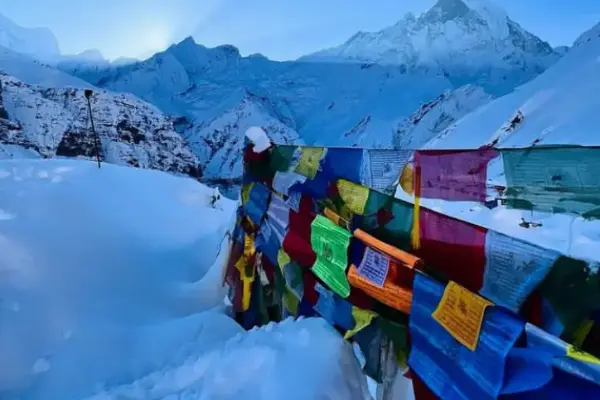
Monasteries & Mani WallsSpin prayer wheels and pass beneath intricately painted chortens. Show respect when visiting sacred sites.
Thakali CuisineTry local dishes like thakali thali and apple pie from Marpha. Food is hearty and helps you fuel up for tough days.
Pilgrimage to MuktinathMuktinath is a sacred site for both Hindus and Buddhists. A spiritual stop with 108 waterspouts and eternal flame.
Teahouse TraditionsEnjoy cozy, communal evenings in rustic lodges. Engage with locals, share stories, and sip butter tea.

Best time to go
Spring (March–May)Lush forests, blooming rhododendrons, and longer days make spring a popular choice. Thorong La is usually snow-free by late April.
Autumn (Sept–Nov)Crisp air and clear skies offer unmatched mountain views. Trails are busier, but scenery is unbeatable.
Winter (Dec–Feb)Cold but quieter. Some lodges close at high passes. Check conditions and pack for extreme cold if going in winter.
Monsoon (June–Aug)Expect slippery trails and leeches in the lower regions. However, the Mustang side remains drier and can be a hidden monsoon gem.

What to pack
Layered ClothingTemperatures vary wildly. Pack moisture-wicking base layers, insulating fleece, and a waterproof jacket.
FootwearDurable trekking boots are essential for rocky paths and snow. Also bring camp shoes for rest stops.
Backpack & DuffelA 35L–45L daypack is ideal. Porters usually carry your main bag. Dry bags help organize and protect your gear.
Altitude EssentialsBring altitude medication (consult your doctor), a pulse oximeter, and an oximeter to monitor health above 3,000m.
Cold-Weather GearDown jacket, warm hat, gloves, and thermal leggings are vital at higher altitudes and especially near Thorong La.
Hydration & NutritionCarry water purification tablets and high-calorie snacks. Keep hydrated to aid acclimatization.

Cost and permits
PermitsYou’ll need an Annapurna Conservation Area Permit (ACAP) and a TIMS card. Total cost around $50. Easily arranged in Kathmandu or Pokhara.
AccommodationTeahouses range from $5–$15 per night. Higher elevations offer fewer luxuries but remain warm and friendly.
MealsMeals cost $5–$10. Dal bhat is the standard — nutritious, filling, and often with free refills!
Guide & PorterHighly recommended. Guides ($25–$40/day) offer safety and insight. Porters ($20–$30/day) lighten the load and support locals.
Side TripsBudget extra for detours to Tilicho Lake or Upper Mustang. Permit and time requirements vary.
Estimated CostA 14–18 day trek typically costs $1000–$2000 depending on comfort, side trips, and group size.

Before you travel
 This trip is organised by Nepal Travel Guide
 .
 Most tours need only an ordinary level of fitness. A trek asks for more, and the trip page says what to expect.
 If you are pregnant, or you have a heart or spinal condition, tell us before you book. We will say whether this trip is suitable.
 Many temples, trails, and vehicles are not accessible by wheelchair. Ask us if you need a plan with fewer steps.
 The person who books must be 18 or older. Younger travelers need an adult with them.
 Weather, flights, and local conditions can change the plan. We will contact you and adjust the itinerary.
 Bring your passport, your travel insurance details, and the booking confirmation.
 Getting aroundA private car, a coach, or a domestic flight, matched to the itinerary.

The route is set. Tell us your dates.
We will confirm the route, stay, and price.
- Dates
 Route
 Stay
 Price