


Treks
Annapurna Base Camp Trek
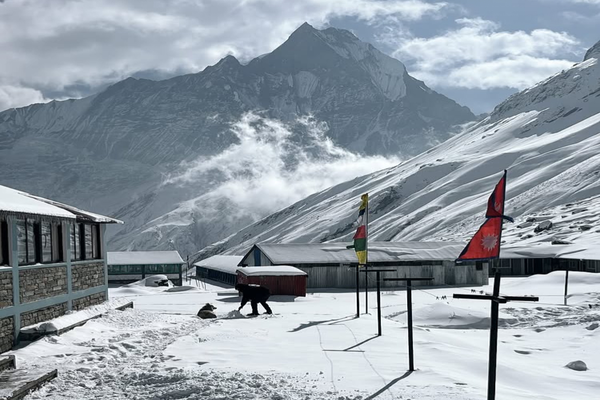
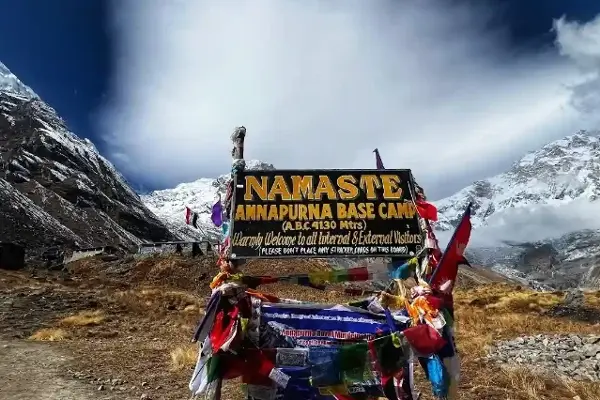
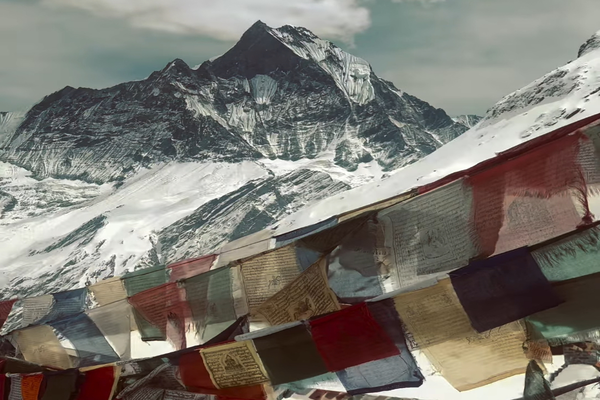
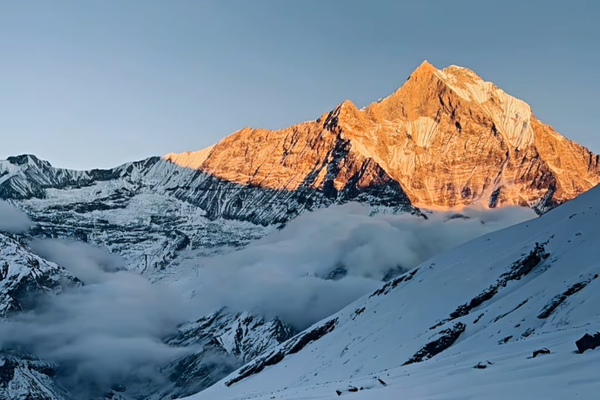
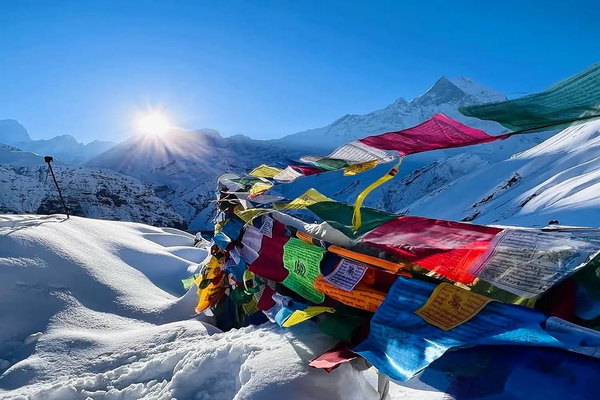
Walk into the heart of the mighty Annapurna range! The ABC Trek blends rich culture, diverse landscapes, and majestic peaks. Wander through lush forests, terraced fields, and charming Gurung villages on your way to the base of Annapurna I (8,091m). A beautiful, balanced Himalayan adventure awaits.
1/5
 Book
Annapurna Base Camp Trek
Authentic Nepal Tours & Treks – Best Prices, True Local Experience
When you choose to explore Nepal with us, you are not just booking a trip. You are experiencing the country through the eyes of true locals. As a Nepal-based travel company, we specialize in authentic trekking and tours, so you get the real essence of Nepal without unnecessary markups.
Why choose us
- Local expertise. We are born and raised in Nepal, so you get firsthand knowledge that an overseas agency cannot match.
- Best value guaranteed. Booking directly with a local provider avoids the high margins of heavily marketed companies.
- Personal service. Trips are shaped to your interests, pace, and budget.
- Responsible tourism. We work with local communities, so the trip benefits the people and places you visit.
Better price, better experience
Buying directly from the source is like a farmer’s market instead of an expensive supermarket. Many agencies fold large overheads into the price. With us, you pay for the experience, not the extras, so more of the budget can go to the stay, the meals, and the days on the trail.
Our price guarantee
If you find a similar tour at a lower price within 48 hours of booking, tell us and we will match or beat that price.
Book your Nepal adventure
Walk with guides who know the culture, the landscape, and the traditions. Trekking, the old cities, or a quieter journey: the trip should be memorable and fairly priced.
About this Treks
Itinerary
- Day1
Arrival in Kathmandu
Arrival in Kathmandu, transfer to hotel, and rest for the day. Briefing about the trek in the evening. OvernightKathmandu
 Altitude1324m
 Ride30 min.
 MealsDinner
 StayHotel
 RouteKathmandu
- Day2
Fly or Drive to Pokhara. 6-7 hrs drive or 30 min. flight
Fly or drive from Kathmandu to Pokhara—either way, you're in for a treat. Choose a scenic road trip through winding hills or a quick, breathtaking flight. Settle in for an overnight stay and soak in the beauty of Pokhara.- OvernightPokhara
- Altitude822m
- Ride6-7hrs.
 Fly30min.
- MealsBreakfast, Lunch, Dinner
- StayHotel
- RouteKathmandu to Pokhara
- Day3
Early Morning drive to Trail Ahead and Trek to Chhomrong.
Drive to Nayapul, the gateway to the Annapurna region, and begin your trek to Chhomrong. This charming village marks the start of your journey deeper into the heart of the Annapurna Sanctuary.- OvernightChhomrong
- Altitude2170m
 Walk6-7 hours
- MealsBreakfast, Lunch, Dinner
- StayTea House
- RoutePokhara to Nayapul to Chhomrong
- Day4
Trek from Chhomrong to Dovan
Begin your day by descending to the Chhomrong Khola, then climb steadily through dense bamboo forests echoing with birdsong. The trail leads you into the serene village of Dovan, nestled beneath dramatic cliffs at the gateway to the Annapurna Sanctuary.- OvernightChhomrong
- Altitude2600m
- Walk5-6 hours
- MealsBreakfast, Lunch, Dinner
- StayTea House
- RouteChhomrong to Dovan
- Day5
Trek from Dovan to Deurali or Machapuchare Base Camp (MBC)
Journey through mystical trails passing landmarks like the Himalaya Hotel and the intriguing Hinku Cave. With every step, new glimpses of the sacred Machhapuchare (Fishtail) peak emerge. As you ascend to Deurali or push onward to MBC, the grandeur of the Himalayas surrounds you with awe.- OvernightDeurali, MBC
- Altitude3230m - 3700m
- Walk3-6 hours
- MealsBreakfast, Lunch, Dinner
- StayTea House
- RouteDovan to Deurali or Machapuchare Base Camp (MBC)
- Day6
Trek from Deurali to Annapurna Base Camp (ABC) – Sanctuary of the Gods
Ascend through Machhapuchare Base Camp as you enter the breathtaking Annapurna Sanctuary. Continue onward to Annapurna Base Camp, encircled by some of the world’s highest and most majestic peaks, including the iconic Annapurna I. Let the stunning 360° mountain panorama leave you in awe.- OvernightABC
- Altitude4130m
- Walk3-4 hours
- MealsBreakfast, Lunch, Dinner
- StayTea House
- RouteDeurali to Annapurna Base Camp (ABC)
- Day7
Trek from ABC to Sinuwa
Begin your descent through ancient forests and terraced fields, bidding a bittersweet farewell to the awe-inspiring Himalayas. Arrive back in Sinuwa, where a celebratory lunch marks the end of your unforgettable trekking journey.- OvernightSinuwa
- Altitude2340m
- Walk6-7 hours
- MealsBreakfast, Lunch, Dinner
- StayTea House
- RouteABC to Sinuwa
- Day8
Trek from Sinuwa to Jhinu & Drive Back to Pokhara
Descend to the village of Jhinu, known for its natural hot springs, and soak in the serene atmosphere before driving back to Pokhara. Reflect on your incredible trek through Nepal’s stunning wilderness as you return to the city.- OvernightJhinu, Pokhara
- Altitude822m
- Walk2-3 hours
- Ride4-5 hours
- MealsBreakfast, Lunch, Dinner
- StayHotel
- RouteSinuwa to Jhinu to Pokhara
- Day9
Fly or Drive Back to Kathmandu
Choose whether to fly or drive back to Kathmandu. Relive the highlights of your journey with fellow trekkers over a farewell meal, reminiscing about the unforgettable experience.- OvernightKathmandu
- Altitude1324m
- Ride6-7 hours
- Fly30min.
- MealsBreakfast, Lunch, Dinner
- StayHotel
- RoutePokhara to Kathmandu
- Day10
Final Departure
Spend your last day in Kathmandu with some final shopping or relaxation before your flight. Say goodbye to Nepal, taking with you memories of adventure and the beauty of the Himalayas.- OvernightKathmandu
- Altitude1324m
- Ride30min.
- MealsBreakfast
- RouteKathmandu to your Home
Includes Excludes
 Includes
 A comprehensive medical kit
- A farewell dinner
- Arrangements for pickup from the airport and a hotel, as well as drop-off in a private vehicle
- Cover insurance for guides, including their meals, salary, lodging, and transportation
- Experience guided sightseeing in Kathmandu Valley
- Receive a trip accomplishment certificate
- A Nepal Government certified English-speaking local trekking guide
- A tourist bus ride from Kathmandu to Pokhara and back to Kathmandu
- ACAP Permit and Trekkers Information Management System (TIMS) Permit card for trekking
- Accommodation with twin sharing and breakfast plan in Kathmandu and Pokhara
- Accommodation with twin sharing during the trekking period
- Full board meals (breakfast, lunch, and dinner) with tea/coffee during the trekking period
 Excludes
 Any other expenses that are not mentioned in the cost includes section
- International Air tickets
- Nepal entry visa
- Personal expenses like water, laundry, phone, and bar bills
- Tips to your guide and porter (tipping is expected)
- Travel and rescue Insurance
Route map
Elevation
The route is set. Tell us your dates.
Additional Information

On the trail
Gurung and Magar CultureThe Gurung and Magar communities you'll meet are warm and welcoming. Take time to learn a few phrases and ask your guide about local traditions.
Mountain BeliefsLocals believe Annapurna is a goddess — a provider of nourishment. Show respect to nature and shrines along the trail.
Teahouse LivingThese cozy lodges are where trekkers connect, warm up by the fire, and share stories over dal bhat and ginger tea.
Festivals Along the WayIf you're lucky, your trek might overlap with local festivals like Dashain or Tihar, adding color and celebration to your journey.
Local CuisineTaste the love in traditional meals like dal bhat, gundruk soup, and momos. Eating local keeps you fueled and supports the community.
Eco-RespectLocals live in harmony with the land — follow suit. Avoid single-use plastics, carry reusable gear, and leave no trace.
Dress & RespectDress modestly in villages, remove shoes in homes or temples, and always walk clockwise around religious structures.

Best time to go
Spring (March to May)Colorful blooms and clear skies make spring a favorite. Expect moderate temps (10–20°C) and jaw-dropping views.
Autumn (September to November)Stable weather and crystal-clear mountain views define this season. Trails are dry and visibility is excellent.
Winter (December to February)Cold, quiet, and magical. Snow blankets higher trails — great for solitude but needs proper winter gear.
Monsoon (June to August)Heavy rain, leeches, and landslides make this a tricky season. Best avoided unless you love lush green jungles and solitude.

What to pack
ClothingLayer up! Lightweight base layers, a warm fleece, and a waterproof jacket will help you stay comfy in changing weather.
FootwearGood trekking boots with ankle support are a must. Bring comfy camp shoes for evenings.
Backpack & BagsCarry a daypack (25–35L) for daily use. Porters can carry your main duffle bag if needed.
Sleeping GearTeahouses provide blankets, but a sleeping bag rated to -10°C keeps you extra cozy.
AccessoriesSunglasses, sunscreen, gloves, a sun hat, and trekking poles go a long way in keeping you comfortable.
Hydration & NutritionCarry a reusable bottle and purification tablets. Energy bars or trail mix help between meals.
Health & SafetyBring a small first-aid kit, painkillers, altitude pills, and personal medications.
ElectronicsA power bank and headlamp are super useful. Most teahouses charge a small fee for electricity.
DocumentsKeep your passport, permits, and travel insurance safely tucked in a waterproof pouch.

Cost and permits
PermitsYou'll need an Annapurna Conservation Area Permit (ACAP) for $30 and a TIMS card for $20. These can be arranged in Pokhara or Kathmandu.
AccommodationTeahouses cost $5–$15 per night. Higher altitudes may charge a bit more for basic comforts.
FoodMeals range from $5–$10. Dal bhat is your best friend — delicious, filling, and offers free refills!
Guide and PorterA licensed guide costs $25–$40/day, and a porter around $20–$30/day. They make your trek smoother and safer.
Gear RentalIn Pokhara or Kathmandu, you can rent sleeping bags and jackets for $1–$5 per day.
MiscellaneousBudget for Wi-Fi ($2–$5), hot showers ($2–$4), and charging ($1–$3 per session). Bring extra cash — ATMs are rare beyond Pokhara.
Emergency CostsEmergency evacuation (helicopter) can cost $3000–$5000. Make sure your insurance covers high-altitude trekking.
Total Estimated CostA 10–12 day ABC trek costs around $1000–$1500 for budget travelers, and up to $2500 for a more comfortable experience.
Pro TipBooking through a trusted Nepal travel guide includes permits, guides, lodging, and meals — making the trek easier and more fun.

Before you travel
 This trip is organised by Nepal Travel Guide.
 Most tours need only an ordinary level of fitness. A trek asks for more, and the trip page says what to expect.
 If you are pregnant, or you have a heart or spinal condition, tell us before you book. We will say whether this trip is suitable.
 Many temples, trails, and vehicles are not accessible by wheelchair. Ask us if you need a plan with fewer steps.
 The person who books must be 18 or older. Younger travelers need an adult with them.
 Weather, flights, and local conditions can change the plan. We will contact you and adjust the itinerary.
 Bring your passport, your travel insurance details, and the booking confirmation.
Getting aroundA private car, a coach, or a domestic flight, matched to the itinerary.
Frequently Asked Questions
 What is the Annapurna Base Camp Trek Experience Experience Like?
When is the Best Time to Trek Annapurna Base Camp?
How Difficult is the Annapurna Base Camp Trek for Beginners?
Do I Need a Guide or Porter for the Annapurna Base Camp Trek?
How Much Does the Annapurna Base Camp Trek Cost in 2026?
What Should I Pack for the Annapurna Base Camp Trek?
Is There an Age Limit for the Annapurna Base Camp Trek?
How Can I Avoid Altitude Sickness on the ABC Trek?
What’s the Accommodation Like on the Annapurna Base Camp Trek?
Can I Trek to Annapurna Base Camp Solo?
How Long Does the Annapurna Base Camp Trek Take?
What’s the Food Like on the Annapurna Base Camp Trek?
Do I Need Travel Insurance for the ABC Trek?
What’s the View Like from Annapurna Base Camp?
How Do I Get to the Annapurna Base Camp Trek Starting Point?

The route is set. Tell us your dates.
We will confirm the route, stay, and price.
- Dates
- Route
 Stay
 Price