




Beginner’s Guide to Mardi Himal Trekking


Why Choose the Mardi Himal Trek?
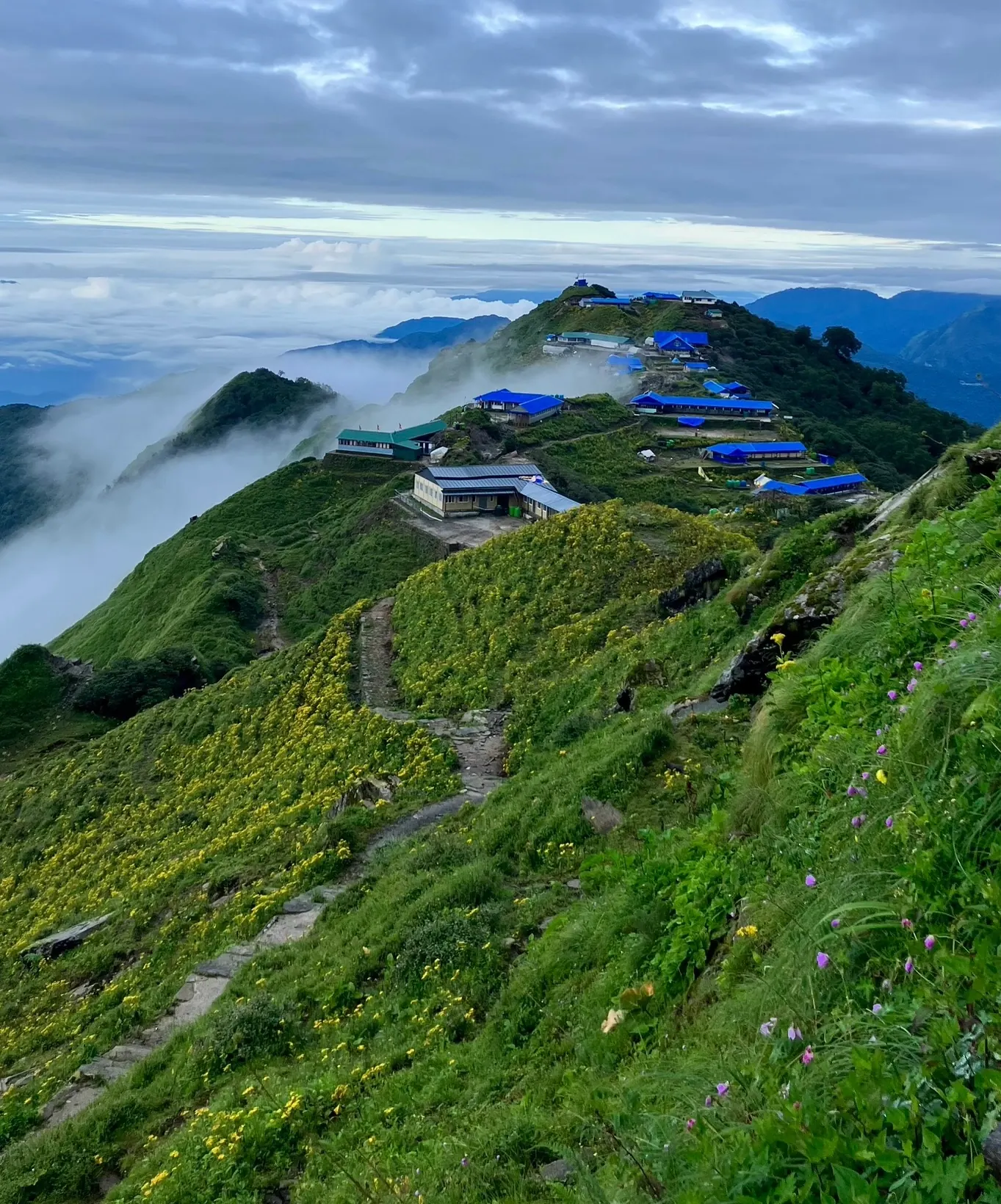
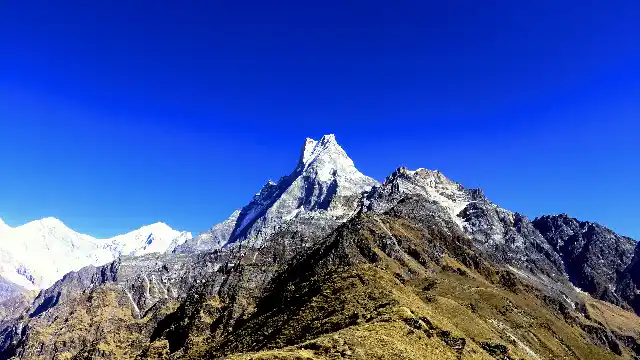
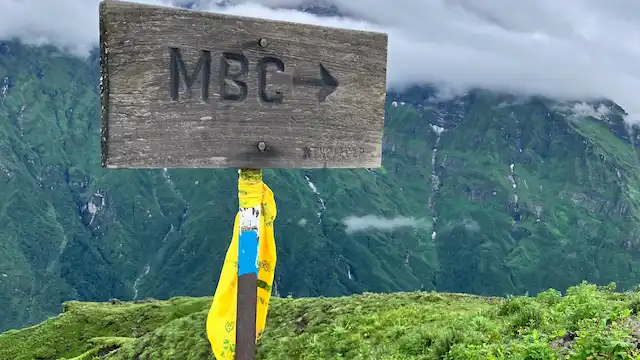
Unlike the busier Annapurna Base Camp or Everest Base Camp treks, Mardi Himal is a quieter trail that feels like a secret waiting to be discovered. Starting just outside Pokhara, the trek takes you through lush forests, vibrant rhododendron groves, and traditional Gurung villages, culminating at Mardi Himal Base Camp (4,500m/14,764ft). Along the way, you’ll be treated to jaw-dropping vistas of Annapurna South, Machhapuchhre (Fishtail), and Mardi Himal itself. It’s a shorter trek—typically 5-7 days—making it ideal for those with limited time or new to trekking.
The trail’s charm lies in its intimacy. You’ll share the path with fewer trekkers, allowing for moments of solitude amidst nature. The warm hospitality of tea house owners and the chance to connect with local Gurung culture add a heartfelt touch to the journey.
Best Time to Trek
Timing is key for the best experience. Spring (March–May) brings blooming rhododendrons, mild temperatures, and clear skies, painting the trails in bursts of red and pink. Autumn (September–November) offers crisp air, stable weather, and unobstructed mountain views—perfect for photography. Avoid the monsoon (June–August), as trails can become slippery and muddy, obscuring views. Winter (December–February) is colder, with potential snow at higher altitudes, but it’s still trekable for those prepared for chilly conditions.
Physical Preparation
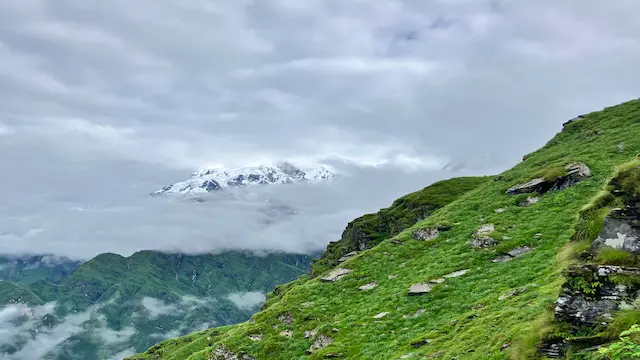
The Mardi Himal Trek is beginner-friendly but requires moderate fitness. You’ll hike 4-6 hours daily, navigating steep ascents, descents, and narrow ridge trails. No technical climbing skills are needed, but stamina and mental resilience are essential. Start preparing 6-8 weeks in advance with:
- Cardio Jogging, cycling, or swimming to build endurance.
- Strength Training Squats, lunges, and stair climbing for leg strength.
- Practice Hikes Walk 5-10 km with a 5-8 kg backpack to mimic trekking conditions.
If you’re new to high-altitude trekking, practice at lower elevations to gauge your comfort with long walks. A positive mindset is just as important—embrace the slow pace and enjoy the journey.
Acclimatization and Altitude
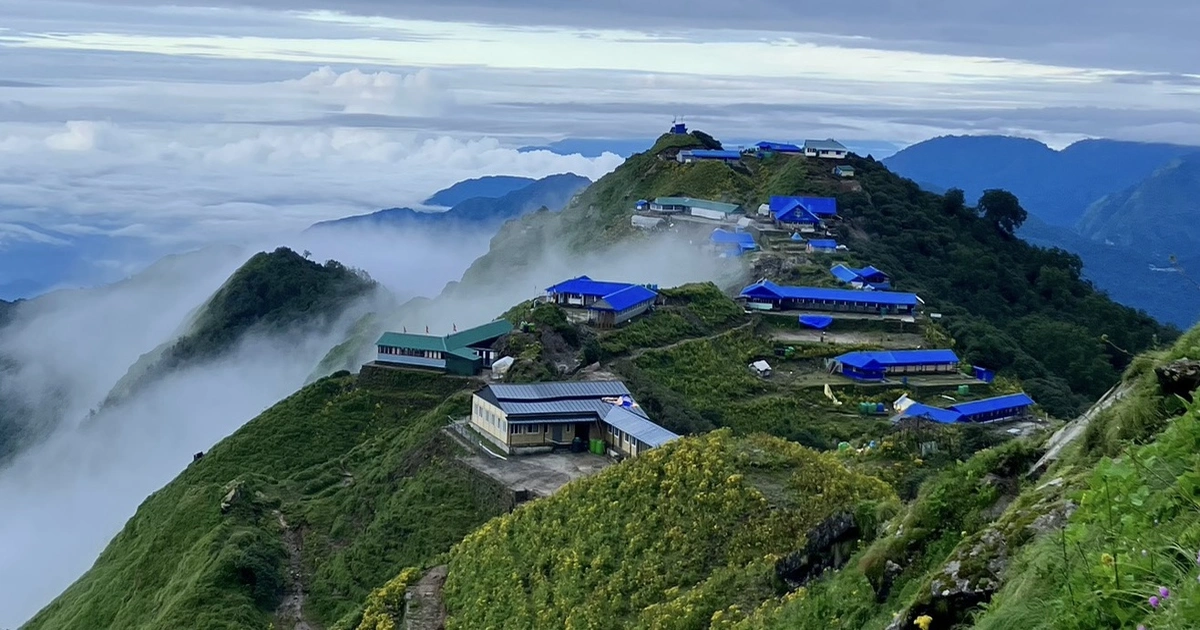
At 4,500m, Mardi Himal Base Camp poses a moderate risk of altitude sickness. To stay safe, follow a gradual itinerary with rest stops at places like Forest Camp (2,600m) and Low Camp (3,050m). Hydrate frequently (3-4 liters daily), avoid alcohol, and eat high-energy foods like dal bhat. Watch for symptoms of altitude sickness—headaches, nausea, or dizziness—and descend if they worsen. Carrying Diamox (as prescribed by a doctor) can help prevent issues. Always consult a healthcare professional before trekking, especially if you have pre-existing conditions.
What to Pack
Packing light is crucial, as you’ll carry your gear (or hire a porter). Aim for a backpack under 8 kg. Essential items include:
- Footwear Waterproof hiking boots (e.g., Merrell or Salomon) with good grip.
- Clothing Thermal base layers, fleece jacket, waterproof rain jacket, and a lightweight down jacket.
- Sleeping Bag Rated to 0°C for chilly nights at High Camp.
- Accessories Trekking poles, sunglasses, sunscreen, and a wide-brimmed hat.
- Health First-aid kit, water purification tablets, and Diamox (if prescribed).
- Extras Snacks (energy bars, nuts), a reusable water bottle, and a headlamp.
You can rent gear in Pokhara to save on costs. Pack layers to adapt to temperature swings—mornings can be frosty, while afternoons are warmer.
Permits and Logistics
You’ll need two permits: the Annapurna Conservation Area Permit (ACAP) and the Trekkers’ Information Management System (TIMS) card, costing around $40 total. These can be obtained in Pokhara or Kathmandu through trekking agencies or permit offices. The trek starts with a short drive from Pokhara to Kande or Phedi (30-45 minutes, $10-20), followed by a hike to Australian Camp or Pitam Deurali.
Tea houses along the route provide basic but cozy lodging (twin beds, shared bathrooms) and hearty meals like dal bhat, momos, and soups ($3-7 per meal). Book tea houses in advance during peak seasons to secure spots, especially at High Camp.
Hiring a Guide or Porter
While the trail is well-marked, hiring a guide ($20-25/day) adds safety and cultural insights, especially for first-timers. Guides know the best viewpoints, share Gurung folklore, and handle emergencies. Porters ($15-20/day) can carry up to 15 kg, lightening your load and supporting local livelihoods. Solo trekking is possible, but local support enhances the experience and contributes to the community.
Cost Overview
The Mardi Himal Trek is budget-friendly compared to longer treks. Expect to spend:
- Budget Trek $400-800 (permits, tea houses, meals).
- Luxury Packages $800-1,000 (better lodging, guided tours).
- Additional Costs Gear rentals ($50-100), tips ($20-50), transport from Pokhara ($10-20).
Solo trekkers can manage for $300-500 by minimizing extras. Budget for snacks and hot drinks, as prices rise at higher altitudes (e.g., $2-5 for tea at High Camp).
Cultural Etiquette
Respect local Gurung culture by greeting people with “Namaste” and dressing modestly (avoid revealing clothing). Ask permission before photographing locals, and support tea houses by dining where you stay. Be mindful of the environment—carry out trash and avoid single-use plastics. The sacred Machhapuchhre looms large in local beliefs, so approach the mountains with humility.
Final Thoughts
The Mardi Himal Trek is a perfect blend of adventure and serenity, offering beginners a chance to experience the Himalayas without overwhelming logistics. Its uncrowded trails, stunning vistas, and cultural richness make every step unforgettable. Prepare well, pace yourself, and let the mountains work their magic.
Ready to start planning? Contact us for personalized advice or to book your Mardi Himal adventure. The Himalayas are calling—answer with confidence!
For more about the trek, please have a look at Mardi Himal Trek.