




Your Ultimate Guide to the Everest Base Camp Trek: From Dream to Reality


Why the EBC Trek? Spectacular Views, Culture, and Triumph
The Everest Base Camp (EBC) Trek captivates adventurers worldwide. With breathtaking scenery, rich cultural experiences, and a profound sense of achievement, it’s truly unique. Here’s what makes it special.
Stunning Scenery: The Himalayan Grandeur
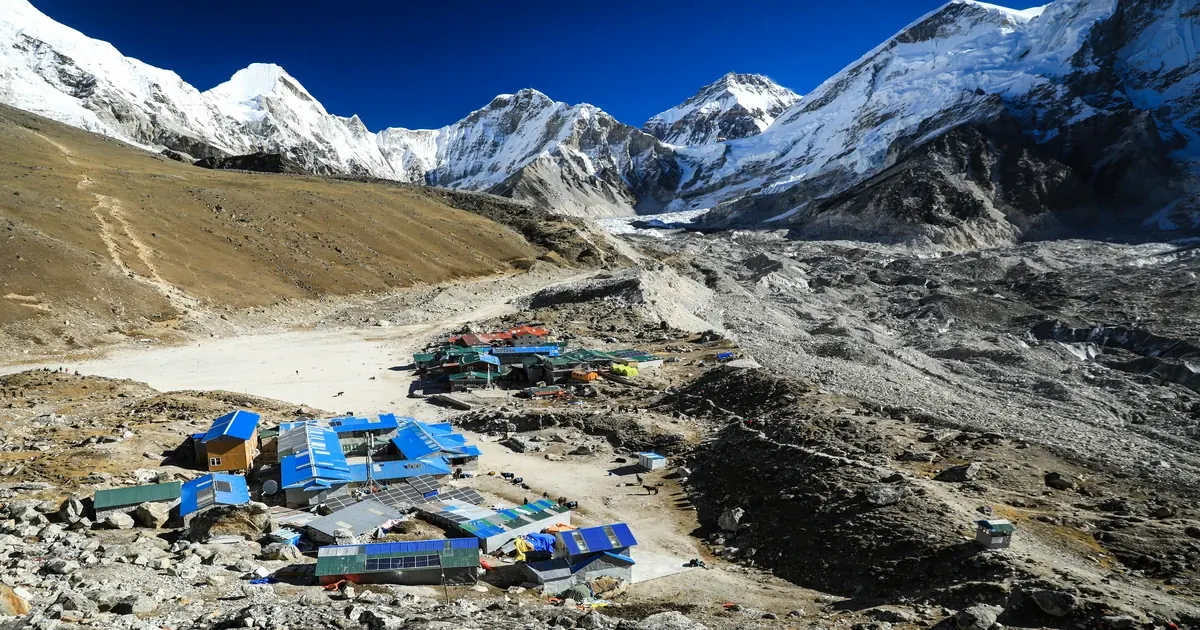
The EBC Trek’s biggest draw is the majestic Himalayan landscape. Peaks like Everest (8,848m), Lhotse, Nuptse, and Ama Dablam—many over 8,000m—create an awe-inspiring backdrop. Kala Patthar (5,550m) offers a famous close-up view of Everest. Glaciers, glacial lakes, and alpine flora add to the Himalayan charm. EBC Trek
Mountain
Elevation
Features
Everest
8,848m
World’s highest peak, awe-inspiring presence.
Lhotse
8,516m
Fourth-highest peak, beside Everest.
Nuptse
7,861m
Sharp, striking peak.
Ama Dablam
6,812m
Beautiful peak, likened to the Matterhorn.
Cultural Immersion: Connect with Sherpa Life
The EBC Trek is more than hiking—it’s a chance to engage with Sherpa culture. Known for their hard work and deep faith, Sherpas have long guided Himalayan expeditions. Visit their villages, explore gompas (monasteries), and chat with locals for new insights and memorable moments.
Cultural Experience
Details
Sherpa Village Visits
Explore Namche Bazaar, Khumjung to see local life.
Gompa Tours
Visit Tengboche Gompa for Buddhist culture.
Local Interactions
Connect with Sherpas at teahouses or lodges.
A Sense of Triumph: Push Your Limits
Trekking above 5,000m to EBC is challenging, but reaching it brings an unmatched sense of accomplishment. The Himalayan views, earned through your own effort, become lifelong memories. The trek builds physical and mental strength, and joining other groups near EBC adds reassurance. Check Everest Base Camp Trek fixed departure
Achievement
Details
Reaching EBC
Joy of arriving at Everest Base Camp on foot.
Kala Patthar Climb
Exclusive views from Kala Patthar (5,550m).
Physical & Mental Growth
Confidence gained from tough conditions.
How Much Does the EBC Trek Cost? A Detailed Budget Guide
Worried about the cost of the EBC Trek? This section breaks down expenses to help you plan your budget effectively.
Flights: Round-Trip Costs
Round-trip flights to Kathmandu, Nepal, can be a major expense when planning your trip. Prices vary depending on your departure country, the airline you choose, travel season, and how early you book. Generally, off-season months (May to September) offer lower fares, while peak trekking seasons (October–November and March–April) are more expensive. Booking well in advance often results in better deals. Depending on your location and airline, round-trip fares typically range from USD 1,000 to 2,000 , though budget carriers may offer lower prices.
Tour Costs: DIY vs. Guided Tours
You can trek independently or join a tour. Each option has pros and cons, and costs vary widely.
DIY treks require arranging flights, lodging, and permits yourself. This takes time but offers flexibility. Costs range from $1000 to several thousand, with total packages potentially $2,000–$4,500. Cost for EBC Trek
Tours handle logistics, often including bilangual guides and porters, for a stress-free experience. However, they’re more expensive. The best choice depends on your experience and preferences.
DIY Trek
Guided Tour
Pros
Flexible pacing, potentially cheaper
Logistics handled, guides available, safer
Cons
Time-consuming planning, self-reliant in emergencies
Higher cost
Gear Costs: What to Buy or Rent
The EBC Trek requires proper gear like warm clothing, trekking shoes, and backpacks. You can buy or rent these items. Renting saves money and avoids buying rarely used gear.
Item
Buy
Rent
Notes
Warm Clothing (Down Jacket, Fleece)
✓
△
High-quality recommended
Trekking Shoes
✓
△
Choose a comfortable fit
Backpack
✓
✓
Consider capacity and features
Trekking Poles
△
✓
Rent if low on stamina
Sleeping Bag
△
✓
Essential for high altitudes
Gear costs vary but expect tens of thousands to hundreds of thousands of yen depending on purchases or rentals.
Other Costs: Food, Lodging, Tips
Additional expenses include meals, lodging, and tips. Meals at lodges cost about 5–10 USD per meal, with drinks extra. Lodging ranges from 10–20 USD per night, depending on quality. Tipping guides or porters is customary, typically 10–50 yen per day. Other costs include trekking permits, visas, and travel insurance, totaling several thousands USD.
EBC Trek costs vary, so plan carefully to secure your budget.
How Tough Is the EBC Trek? Can Beginners Handle It?
The EBC Trek involves high altitudes and rugged paths, but beginners can succeed with preparation. Here’s a detailed look at its difficulty.
Physical Fitness: What’s Required?
The trek involves 5–7 hours of daily walking with a backpack at rising altitudes, requiring decent fitness. Key abilities include:
- Endurance for Long Walks Regular walking or hiking helps.
- Leg Strength for Slopes Train thighs and calves for inclines.
- Strength for Carrying Loads Practice with a backpack.
No elite fitness is needed, but sedentary individuals should train beforehand. The trek is moderate to strenuous, achievable for those with average fitness. Everest Base Camp Trek Difficulty Level
Altitude Sickness: Prevention and Handling
Altitude sickness is a major concern as oxygen thins at higher elevations. Prevent it by:
- Walking Slowly Keep a steady, breathable pace.
- Staying Hydrated Dehydration worsens symptoms.
- Avoiding Alcohol/Smoking These reduce oxygen intake.
- Using Medications Consult a doctor for preventive drugs.
Symptoms like headaches, nausea, or dizziness require rest or descent. Consult guides or medics if symptoms persist.
Preparation: Training and Fitness
Safe enjoyment requires preparation, especially fitness training. Try:
- Walking 30+ minutes daily.
- Hiking Weekend mountain hikes.
- Stair Climbing Build leg strength.
- Strength Training Squats, core exercises.
- Backpack Training Walk with your trek backpack.
Start training 1–3 months before departure for a safer, more enjoyable trek. Everest Base Camp Trek Preparation
Best Seasons: Weather and Conditions
Spring (March–May) and autumn (September–November) are ideal, with stable weather and milder temperatures. Days are warm, but nights are cold, so pack accordingly.
Season
Pros
Cons
Spring (March–May)
Stable weather, blooming flowers
Crowded
Autumn (Sept–Nov)
Stable weather, clear skies
Crowded
Summer (June–Aug)
Quieter trails
Rainy, unstable weather
Winter (Dec–Feb)
Fewer people
Cold, higher altitude sickness risk Understanding Acute Mountain Sickness (AMS)
Summer rains obscure views, and winter snow can make trails tough. Extra preparation is needed for these seasons. The EBC Trek takes 12–14 days, compared to 12–21 for Annapurna Circuit or 7–10 for Langtang Valley. Compare Nepal’s Top Treks
Choosing an EBC Trek Tour: Key Tips
A good tour ensures a safer, more enjoyable trek. Here’s how to pick the right one.
Tour Types: Guides, Solo, and More
Tours vary to suit different needs, experience levels, and budgets.
Tour Type
Features
Pros
Cons
Best For
Guided
Bilangual guide
No language barrier, detailed info, reassuring
Higher cost
Beginners, language concerns
English-Guided
English-speaking guide
Cheaper, global interactions
Needs some English skills
Moderate English speakers, social trekkers
Solo (No Guide)
Self-planned
High freedom, cost-effective
Self-reliant, risky
Experienced trekkers
Porter-Assisted
Porters carry gear
Less physical strain
Tipping required
Low stamina, heavy loads
Helicopter Tour
Fly to EBC
Quick, no physical effort
Very expensive, weather-dependent
Time-constrained, low fitness
Tour Company: Nepal Travel Guide
When it comes to the Everest Base Camp (EBC) Trek, Nepal Travel Guide stands out as the premier choice for adventurers seeking an unforgettable Himalayan journey. Renowned for its exceptional service, deep expertise, and passion for showcasing Nepal’s breathtaking landscapes and rich culture, Nepal Travel Guide transforms your trek into a life-changing experience. With experience working alongside a Japanese company, the team delivers more detailed, polished, and thoughtfully designed trekking packages—ensuring every aspect of your journey is thoroughly planned and professionally executed.
Company
Features
Highlights
Nepal Travel Guide
Personalized itineraries, expert local guides, comprehensive support
- Top-rated for safety, with meticulous altitude sickness protocols and emergency support
- Bilangual guides available for seamless communication
- Tailored small-group treks for intimate, immersive experiences
- Unparalleled knowledge of Sherpa culture and Himalayan trails
- Eco-conscious practices supporting local communities
- 5-star reviews for attentive service, from airport pickup to trek completion Nepal Travel Guide
With Nepal Travel Guide, you’re not just trekking to EBC—you’re embarking on a journey crafted with care, expertise, and a commitment to making your adventure truly extraordinary. Choose Nepal Travel Guide for a trek that’s as awe-inspiring as the Himalayas themselves!
Compare quotes and services from multiple companies before deciding.
Tour Selection Tips: Insurance and Support
High altitudes and unpredictable weather demand strong safety measures. Consider:
- Insurance Mandatory travel insurance covering altitude sickness and accidents.
- Support Check emergency protocols, medical access, and guide expertise.
- Tour Details Ensure itinerary, lodging, and meals suit your fitness and preferences.
- Cancellation Policy Confirm flexibility for unforeseen issues.
Verify the tour’s altitude sickness protocols for added safety.
EBC Trek Packing List: Be Prepared!
The EBC Trek’s high altitudes and variable weather require careful packing. Here’s a comprehensive list.
Essentials: Passport, Visa, Insurance
Don’t forget these critical items, checked before departure.
Item
Details
Notes
Passport
Valid for 6+ months
Keep a copy separately
Visa
Required for Nepal entry
Obtainable at airport for on arrival visa entry
Travel Insurance
Covers medical, rescue costs
Ensure altitude sickness, helicopter rescue coverage
Flights
Round-trip tickets
Print e-ticket copies
Cash
Nepalese Rupees (NPR)
Credit cards often unusable on trek
Trekking Permits
TIMS card, entry permits
Obtain in advance
Clothing: Layering and Warmth
Temperatures drop at higher altitudes, so layer for flexibility and warmth.
Item
Details
Notes
Base Layer
Quick-dry, moisture-wicking
Multiple long/short sleeves
Mid Layer
Fleece, down for warmth
Adjust for temperature
Outer Layer
Waterproof, windproof
Protects from rain, snow, wind
Trekking Pants
Quick-dry, stretchy
Durable, easy to move in
Warm Clothing
Down jacket, thick fleece
Prepare for below -10°C
Hat
Sun and cold protection
Brimmed hat, beanie
Gloves
Warmth
Layer inner/outer gloves
Socks
Thick wool
Moisture-wicking, warm
Trekking Shoes
Waterproof, grippy
Break in before trek
Gaiters
Block sand, snow
Protect ankles
Layers allow temperature adjustments. Change out of sweaty clothes to avoid chills and altitude sickness risks.
Handy Extras: Sunscreen, Camera, Power Bank
These optional items enhance comfort and safety.
Item
Details
Notes
Sunscreen
SPF 30+, PA+++
UV protection essential
Lip Balm
UV-protective
Prevents dry lips
Sunglasses
UV-protective
Prevents snow blindness
Headlamp
For night/emergencies
Bring spare batteries
Camera
Capture scenery
Extra batteries, SD cards
Power Bank
Charge devices
Limited power access
Toilet Paper
For trail toilets
-
Wet Wipes
Clean hands/body
-
Medications
Painkillers, antidiarrheals, cold meds
-
First Aid Kit
Bandages, antiseptic, wraps
-
Water Bottle
Stay hydrated
-
Snacks
Chocolate, nuts, energy bars
-
Altimeter Watch
Track altitude, pressure
Helps monitor altitude sickness
Pack based on personal needs. Power banks are critical due to limited charging, and sunscreen is a must for UV protection.
Secrets to EBC Trek Success: Expert Tips
Pre-Trek Training: Effective Methods
The EBC Trek’s high altitude and duration demand training to reduce risks and boost enjoyment.
Training Type
Details
Frequency
Purpose
Cardio
Walking, jogging, hiking, cycling
3–5 times/week, 30+ min
Boost endurance, heart-lung function
Strength
Squats, lunges, core exercises
2–3 times/week
Build leg, core strength for loads
Altitude Acclimatization
Low-oxygen training, high-altitude hikes
If possible
Reduce altitude sickness risk
Trek-Specific
Long walks with backpack, stairs
1+ time/week
Mimic trek conditions
Focus on cardio and strength. Start 3–6 months prior, and include altitude training if feasible. It’s like marathon prep—build stamina gradually. Strength routines (pull-ups, core, cardio) should begin 6 months out, 1 hour/day, 3 times/week. Train for the Everest Base Camp Trek
Altitude Sickness: Key Prevention Tips
Altitude sickness, caused by thinning oxygen, is a top concern. Symptoms include headaches, nausea, or dizziness, and severe cases can be life-threatening.
Measure
Details
Acclimatization
Raise altitude slowly, 300–500m/day.
Hydration
Drink 3–4L water daily to avoid dehydration.
Deep Breathing
Consciously breathe deeply for oxygen.
Avoid Alcohol/Caffeine
These worsen dehydration.
High-Calorie Diet
Eat carb-heavy meals for energy.
Medications
Use preventive drugs (e.g., Diamox) with doctor’s advice.
Health Monitoring
Sleep well, rest if feeling off.
If symptoms appear, descend, use oxygen, or seek medical help. Follow guides’ advice for safety.
Trekking Tips: Pacing and Health
Stay safe and enjoy the trek with these practices:
- Slow Pace Walk steadily, especially early on, to acclimatize.
- Frequent Breaks Rest 5–10 min hourly, hydrate, stretch.
- Monitor Health Report any issues to guides immediately.
- Sleep Well Rest for recovery.
- Show Gratitude Appreciate porters, guides, and staff.
Emergency Preparedness
Limited medical access at high altitudes makes preparation vital:
- Insurance Cover altitude sickness, helicopter rescue.
- Emergency Contacts Share with family/friends.
- Local Medical Info Know nearby clinics’ contacts.
- Tour Support Confirm emergency protocols.
In emergencies, stay calm, contact guides, and follow insurance procedures for evacuation.
EBC Trek FAQs
What’s the Best Season for the EBC Trek?
Spring (March–May) and autumn (September–November) are best, with stable weather and mild temperatures. Spring offers lush greenery, autumn clear skies. Best Time to Trek Everest Base Camp Experienced trekkers may try the tougher Three Passes Trek to avoid crowds, offering daily new views. Nepal Travel Guide
Season
Pros
Cons
Spring (March–May)
Stable weather, vibrant greenery
Crowded
Autumn (Sept–Nov)
Stable weather, clear views
Crowded
Worried About Altitude Sickness?
Altitude sickness is a key concern due to low oxygen. Mitigate it by:
- Slow Pacing Avoid rushing.
- Hydration Prevent dehydration.
- High-Calorie Meals Maintain energy.
- Sleep Recover fully.
- Acclimatization Days Spend extra time at key altitudes.
If symptoms (headaches, nausea) appear, inform guides, descend, or rest. Consult a doctor for preventive drugs if needed.
Is English Necessary?
You don’t need English fluency. Many tours offer bilangual-speaking guides, and tourist facilities understand basic English or your language. Learning simple English phrases can enrich interactions, but bilangual-guided tours are ideal if language is a concern.
Do I Need Trekking Insurance?
Yes, trekking insurance is essential due to risks like accidents or altitude sickness. Ensure coverage for:
- Altitude Sickness Common issue.
- Helicopter Rescue For emergencies.
- Adequate Limits Cover medical, evacuation costs.
Carry insurance documents and share details with family.
Conclusion: Make Unforgettable EBC Trek Memories!
The Everest Base Camp Trek offers stunning views, Sherpa cultural immersion, and immense achievement—a journey to remember forever. This guide covers its allure, costs, difficulty, tour choices, packing, success tips, and FAQs to help beginners prepare confidently.
While challenging, proper planning makes it accessible. Let this guide aid your EBC Trek journey for epic memories.
Ready to see the Himalayas up close? Start your adventure!
Learn more about the EBC Trek
For more about the trek, please have a look at Plan Your EBC Adventure.